The two seasons

Two halves of the year.One route in each.

Every route runs in both seasons: once in the dry months, once in the rains. Same route, same lodges, same price — and a different country each time.

Costa Rica's Pacific year has two halves. From December to April the country dries out — the tourism board draws the line at mid-December and late April — and the rains return in May and stay to November, with July and August bringing the veranillo, a drier spell inside the wet that is strongest on the Nicoya and the north and faint on the southern Pacific, and September and October the wettest weeks. The Caribbean coast keeps its own calendar.

We call them what they are: the dry season and the rainy season. The tourism board markets the rains as the green season; the months are the same. Each route is designed once and run in both — the itinerary, the lodges and the price do not change. The weather, the rivers, the light, the wildlife and the company do, enough that we write each edition its own page.

Two of our dry-season editions begin in early December, when the rains are shutting down rather than gone: the mountain still green from seven months of water, the nights only beginning to turn cold. The gravel edition waits for late January, when the Nicoya has dried out. By February the ridges are at their driest and clearest.

The year
  1. Dec
  2. Jan
  3. Feb
  4. Mar
  5. Apr
  6. May
  7. Jun
  8. Jul
  9. Aug
  10. Sep
  11. Oct
  12. Nov
  • Dry season · December – April
  • Rainy season · May – November
  • Veranillo · a drier spell · July – August
  • Wettest · September – October

What the season does, place by place.

The four regions our routes cross, and how each half of the year treats them.

Region
Dry season
Rainy season
The Talamanca high countryCerro de la Muerte · San Gerardo de Dota · Providencia · 1,800–3,400 mCerro de la Muerte · San Gerardo de Dota · Providencia · 5,900–11,200 ft
Nights on the páramo at or below freezing; thin, clear air and a real risk of sunburn. January and February are the driest months; December is still drying.
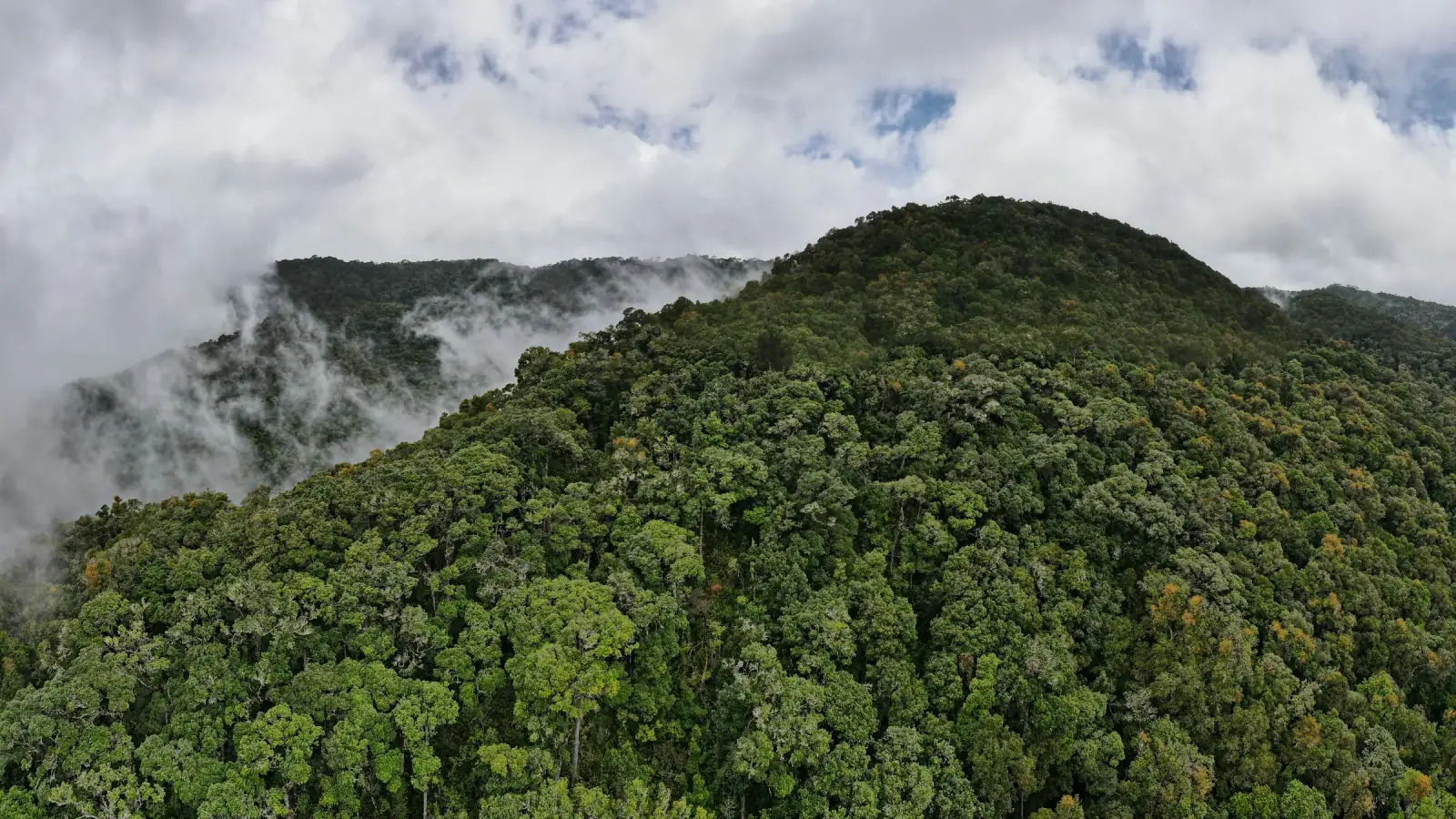
Mornings mostly dry, cloud building through the day, rain in the afternoon. The cloud forest at its wettest. Quetzals are easiest to find from mid-February into June or July, when the wild avocados fruit.
The Nicoya coastSanta Teresa · Nosara · Tamarindo
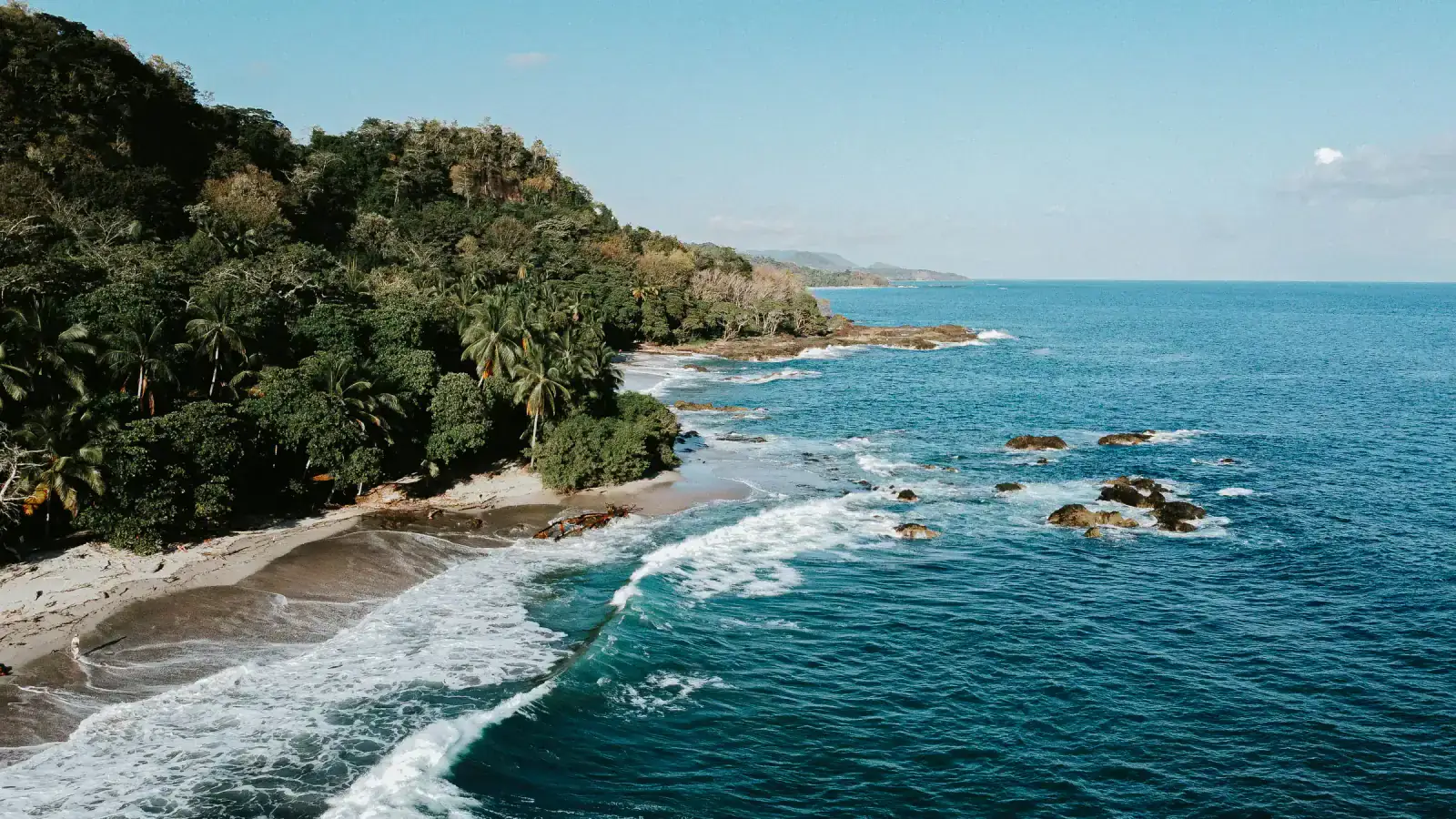
The driest region in the country — a few millimetres of rain a month, the trade winds from December into February, dust on the dirt roads, the rivers reduced to fords and dry beds.The driest region in the country — a fraction of an inch of rain a month, the trade winds from December into February, dust on the dirt roads, the rivers reduced to fords and dry beds.
The coast turns green within weeks of the May rains. The wild-coast rivers run again and are crossed live, until the wettest weeks close the coast in September and October. At Ostional the big-arribada season runs from July to November.
The central PacificQuepos · Manuel Antonio · the Savegre lowlands · Playa El Rey
The sky opens from late November; February and March are the driest months. December to March is the season of the northern humpbacks off this coast.
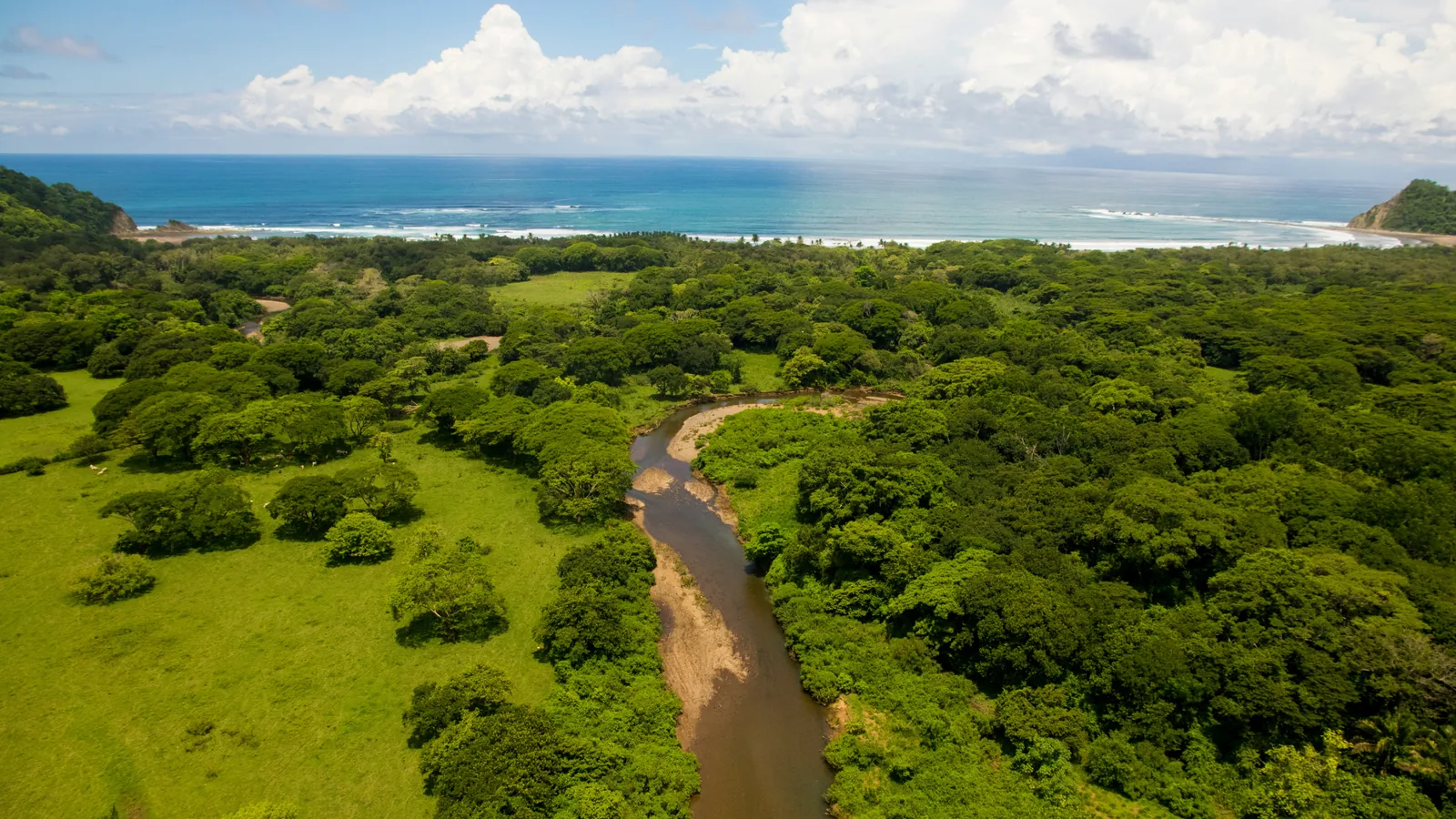
Rain in the afternoon and early evening, in the board's own words — the mornings are for moving. Rivers full. July to mid-November is the season of the southern humpbacks.
The Osa PeninsulaSierpe · Drake Bay · Corcovado
December is drying, not dry; February is the driest month. The northern humpbacks' season in the bay.
The wettest region on any of our routes: the forest at its loudest, the rivers at their fullest, the southern humpbacks' season in the bay.

On foot, on wheels, in both.

What each season gives each way of moving through the country.

Trail running

Dry seasonCold, clear air on the Nueve Cumbres, with the longest views of the year by February; the Osa drying in December and at its brightest by February.

Rainy seasonThe mountain is run in the mornings and the rain comes in the afternoon; the rivers are full; the Osa at full volume, in the southern humpbacks' season.

Gravel

Dry seasonDry gravel and a week of dry sky — with wind, dust and dry fords as the honest cost.

Rainy seasonA green coast, live river crossings on the Río Frío line, the rhythm of the rains rather than the veranillo's lull, and Ostional's big-arribada season opening.

Hiking

Dry seasonCool, clear mornings on the páramo, the valley drying by the week, and the northern humpbacks' season on the coast at the end.

Rainy seasonThe wild avocados still fruiting in the Dota, the quetzals' season; the Savegre high at the hanging bridge and the andarivel; walking in the mornings, at the lodge for the rain.

The dry season is for those who want…
The rainy season is for those who want…
Rain
Little, and least from January; December still drying.
Dry mornings; rain most afternoons.
Rivers
Falling — fords and easy crossings by January.
Full — live crossings.
Light and land
Hard sun and long views.
Soft light; the lowlands green.
Company
High season in Costa Rica.
The country largely to yourselves.

Every edition, dated.

Each route, in each season, with every departure — the one on sale and the ones to come. The price is the same in both.