
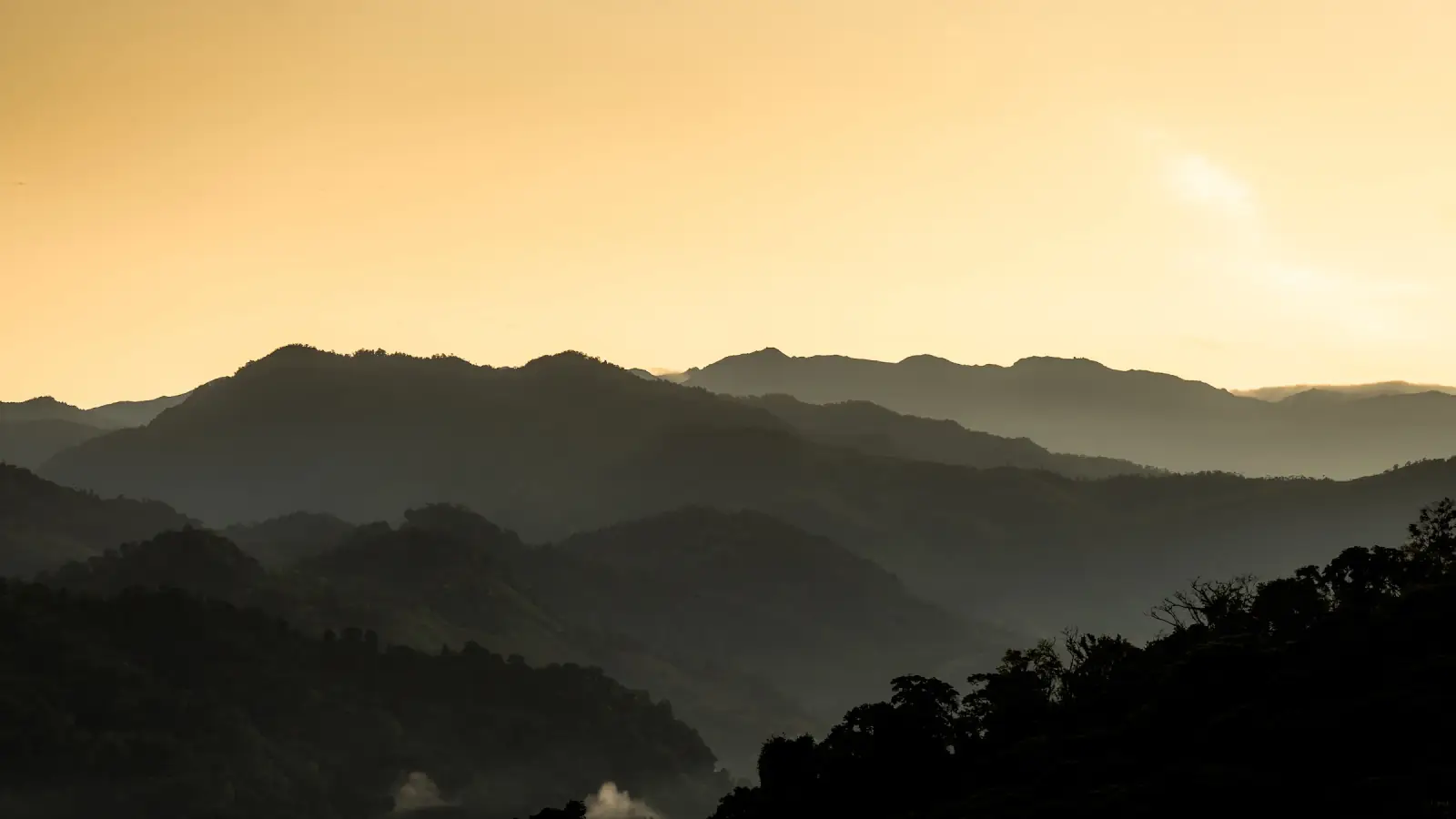
 Dry season
 The Hiking Expedition · Dry Season
The mountain at its greenest with the rain switched off: cold, clear mornings on the páramo and a valley drying by the day.
- 4 – 12 December 2027 Now booking
Nine days on foot down the Camino Playa El Rey — from the high páramo of the Cerro de la Muerte, down the valley of the Río Savegre lodge to lodge, to the wild sand of Playa El Rey.
There is a route in the south of Costa Rica that follows one river from the continental divide to the sea. Local people call the country it crosses the Camino Playa El Rey: it begins in the páramo of the Cerro de la Muerte — tropical alpine grassland that exists only above three thousand metres — and it ends on a beach with no paved road to it, where the Savegre lets go of the mountains. This expedition walks it in nine days, one lodge at a time.There is a route in the south of Costa Rica that follows one river from the continental divide to the sea. Local people call the country it crosses the Camino Playa El Rey: it begins in the páramo of the Cerro de la Muerte — tropical alpine grassland that exists only above 9,800 feet — and it ends on a beach with no paved road to it, where the Savegre lets go of the mountains. This expedition walks it in nine days, one lodge at a time.
The structure is simple and honest: every night is lower and warmer than the last. High cloud forest, then a village of twenty houses, then a clearing in the mountain, then a refuge on the riverbank, then a community in the mid-valley jungle that owns its own forest — and finally the coast. The Savegre is one of the cleanest rivers in Central America, and for three days it is also the trail: you cross it twice in a day — on a hanging bridge, then on a cable strung bank to bank — and once more the day after, on a hanging bridge a hundred and twenty-seven metres long at Los Campesinos.The structure is simple and honest: every night is lower and warmer than the last. High cloud forest, then a village of twenty houses, then a clearing in the mountain, then a refuge on the riverbank, then a community in the mid-valley jungle that owns its own forest — and finally the coast. The Savegre is one of the cleanest rivers in Central America, and for three days it is also the trail: you cross it twice in a day — on a hanging bridge, then on a cable strung bank to bank — and once more the day after, on a hanging bridge 417 feet long at Los Campesinos.
This is walking country we have known for years — the same mountains our Queen Stage runs through, taken at a pace that lets you accept the coffee. Six to eight hikers, two professional guides, one dedicated photographer, and kitchens that open their doors as you pass. And know this before you book: the nights here are not our luxury line. They are family homes and community lodges — simple, spotless, warm — with the Hampton and the Parador holding the comfortable bookends. We think that trade is the whole point. You finish on the sand at Playa El Rey, with people who started as strangers and end as the only ones who understand what just happened.
The dry season or the rainy season — same route, same lodges, same price. Choose the sky you want. What the seasons mean →
Dry season The mountain at its greenest with the rain switched off: cold, clear mornings on the páramo and a valley drying by the day.
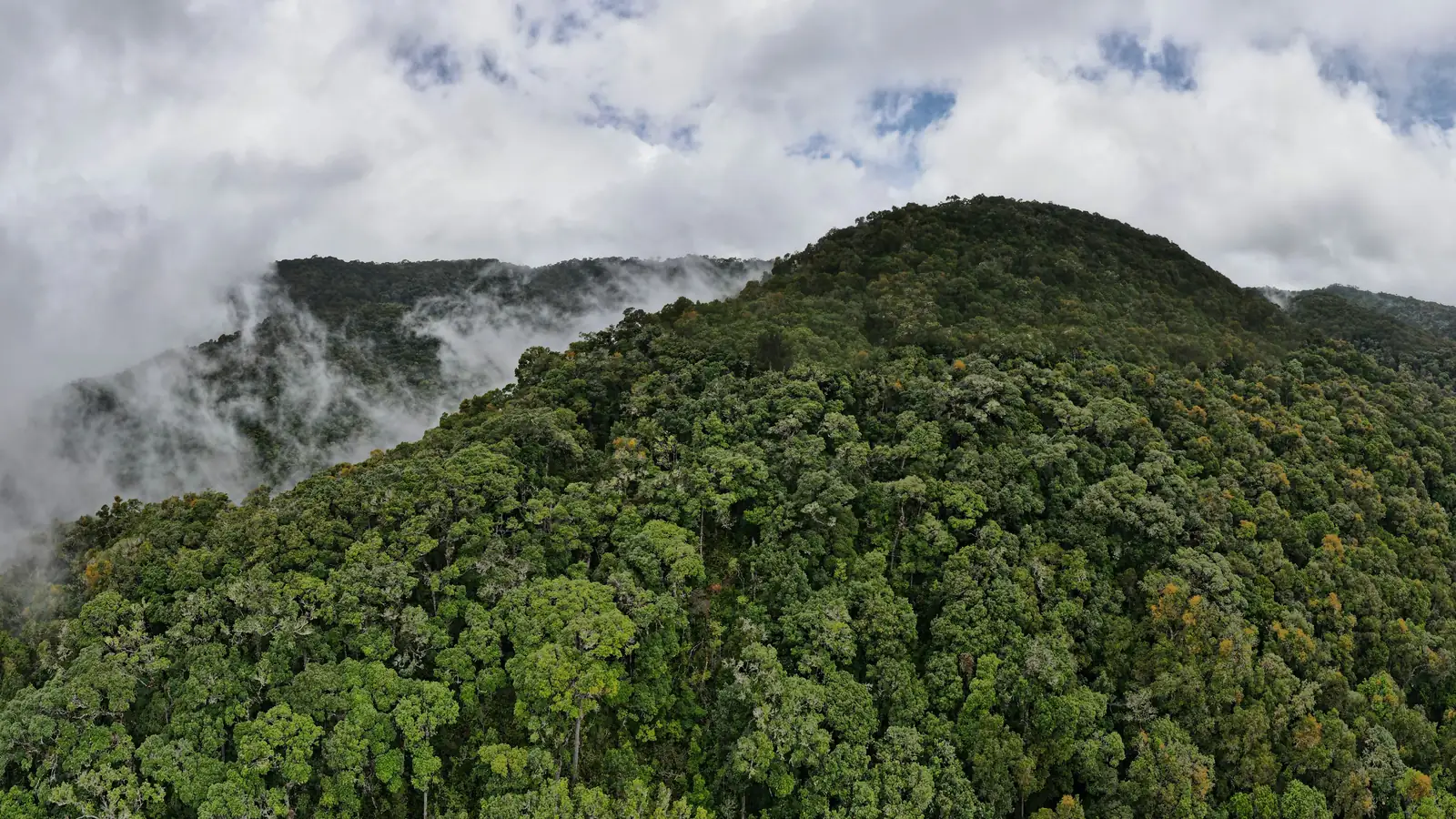 Rainy season
 From the páramo to the sea in the wet: cloud forest at full saturation, the Savegre high under the crossings, and a coast with almost no one on it.
The kind of details no itinerary line-item captures, but every hiker remembers the morning after the flight home.
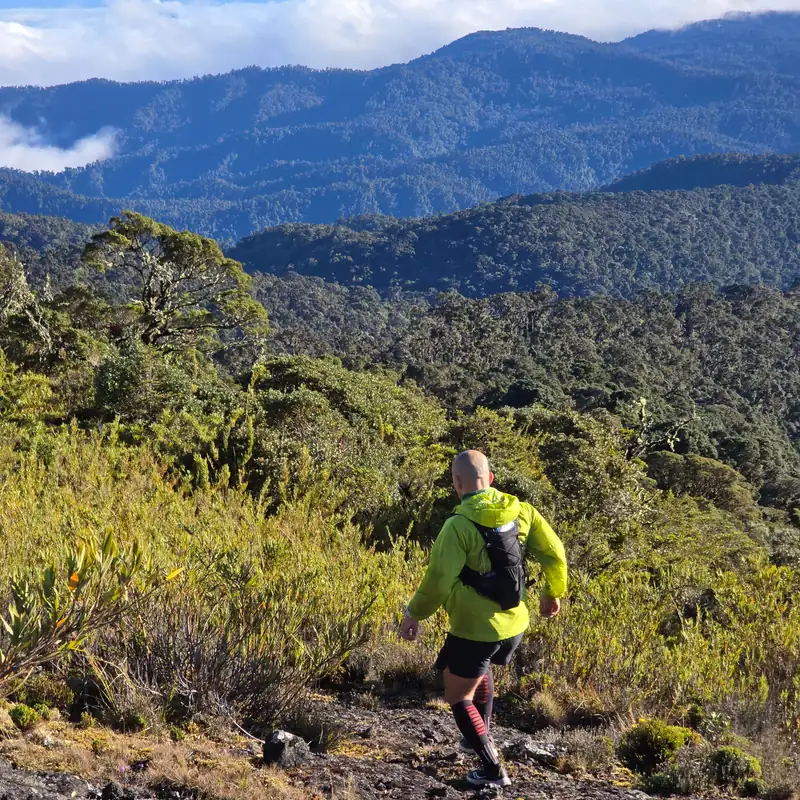
The first steps are above the treeline, on the spine of the Macizo del Cerro de la Muerte — grassland, dwarf bamboo, and volcanic light at three thousand four hundred metres.The first steps are above the treeline, on the spine of the Macizo del Cerro de la Muerte — grassland, dwarf bamboo, and volcanic light at 11,200 feet.
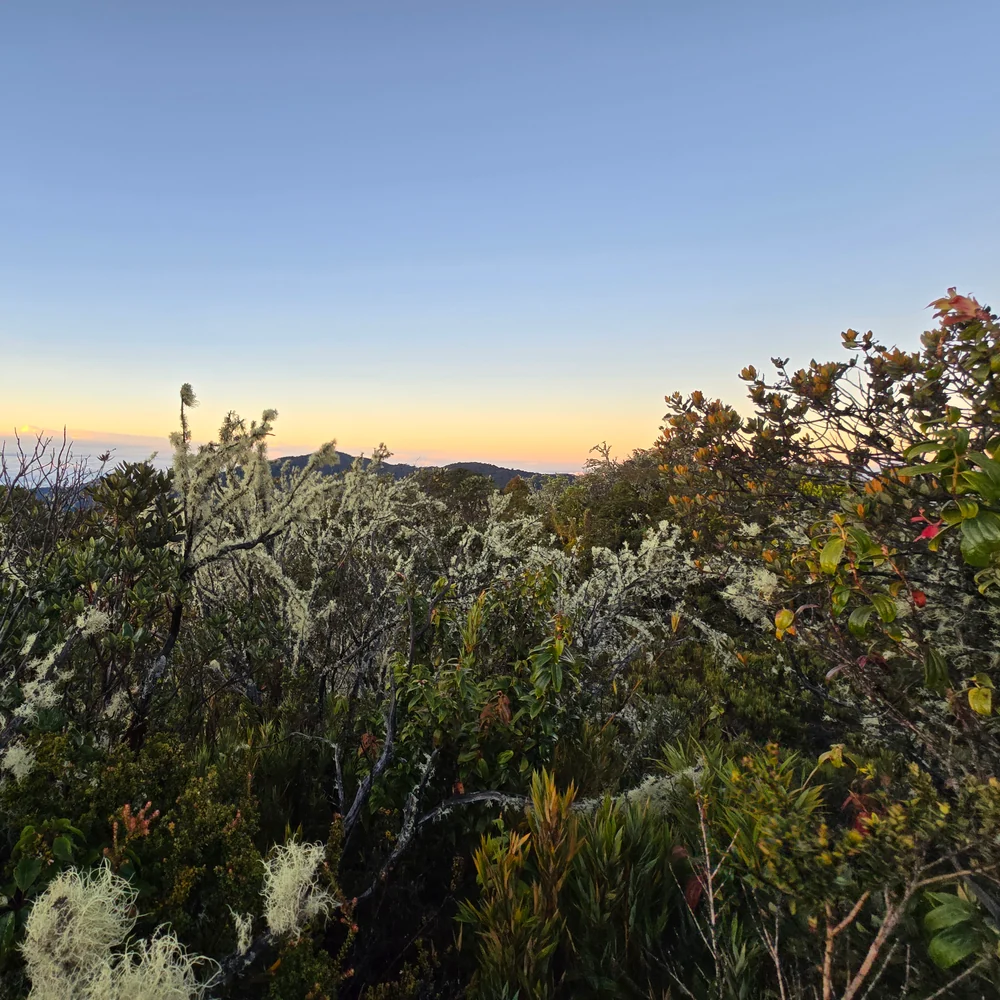
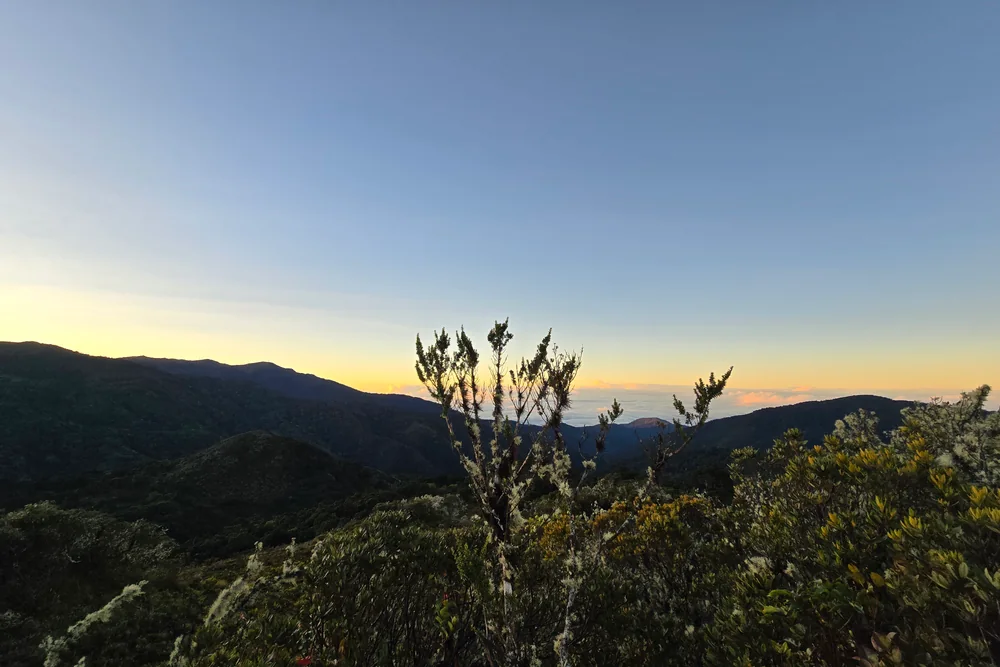
Dawn from the high ridge, before the descent begins — the Pacific invisible below a white ocean that burns off by nine.
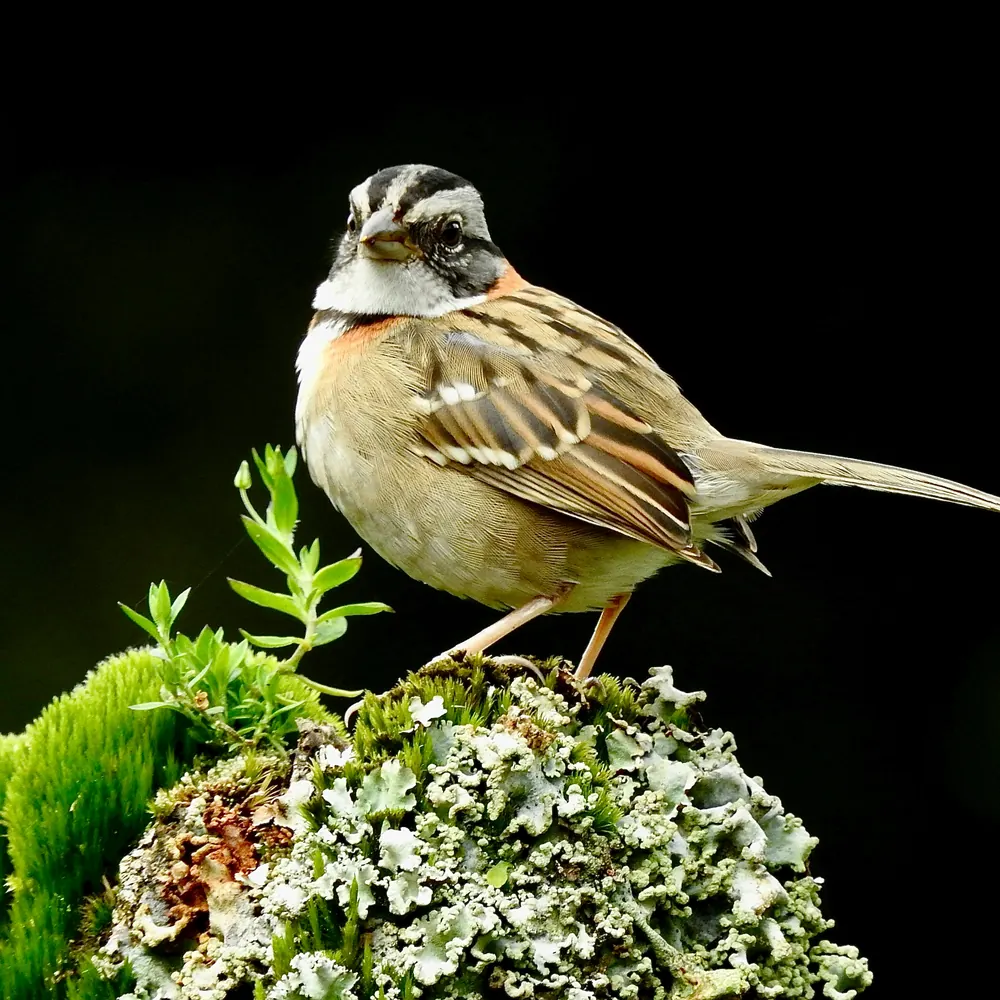
Two mornings in the Dota Valley, where the dawn chorus starts before the light — and the aguacatillo trees outside your window are the reason the resplendent quetzal lives here all year.
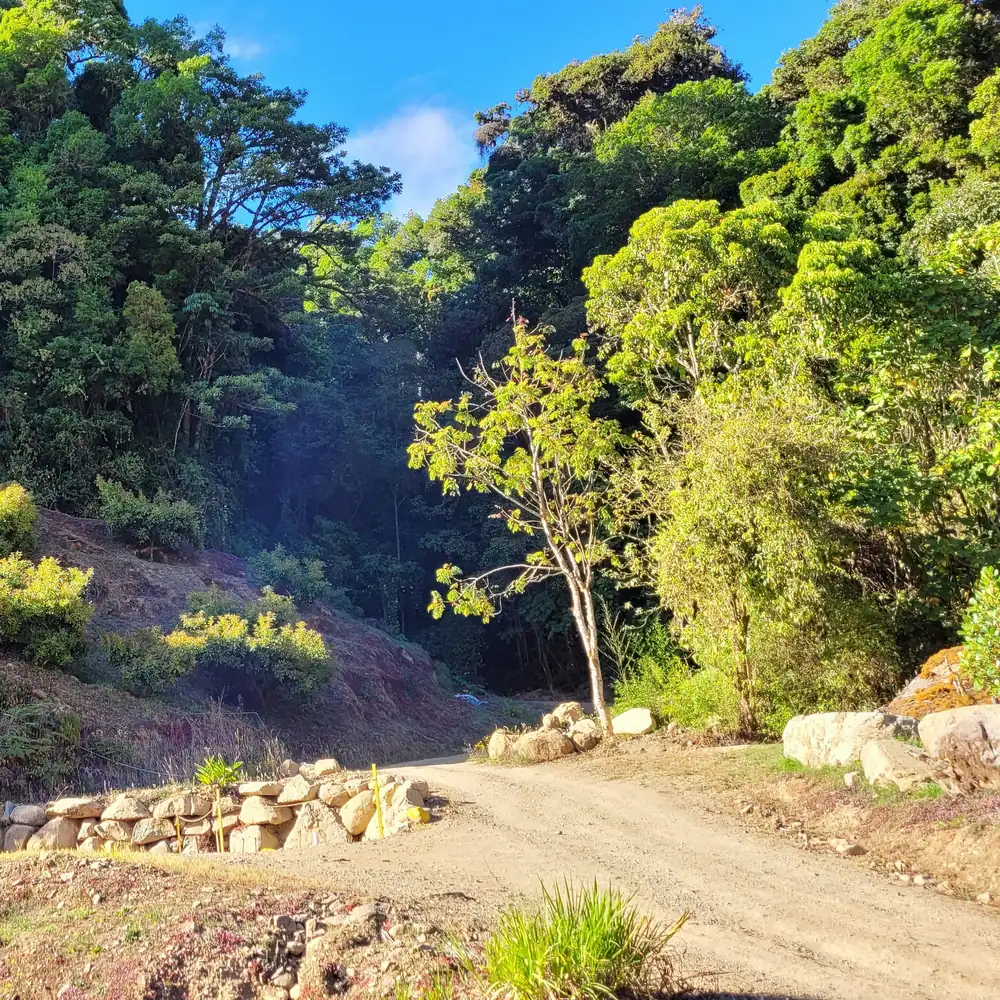
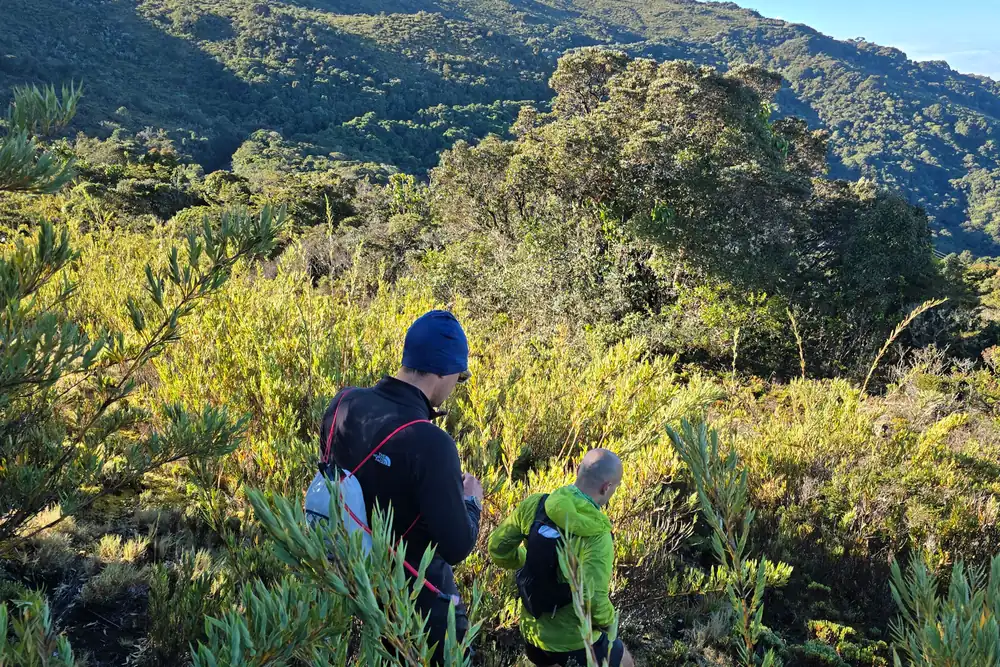
The long descent from Providencia — ridge, cloud forest, the first clearing at La Chaqueta, and the river growing louder below.
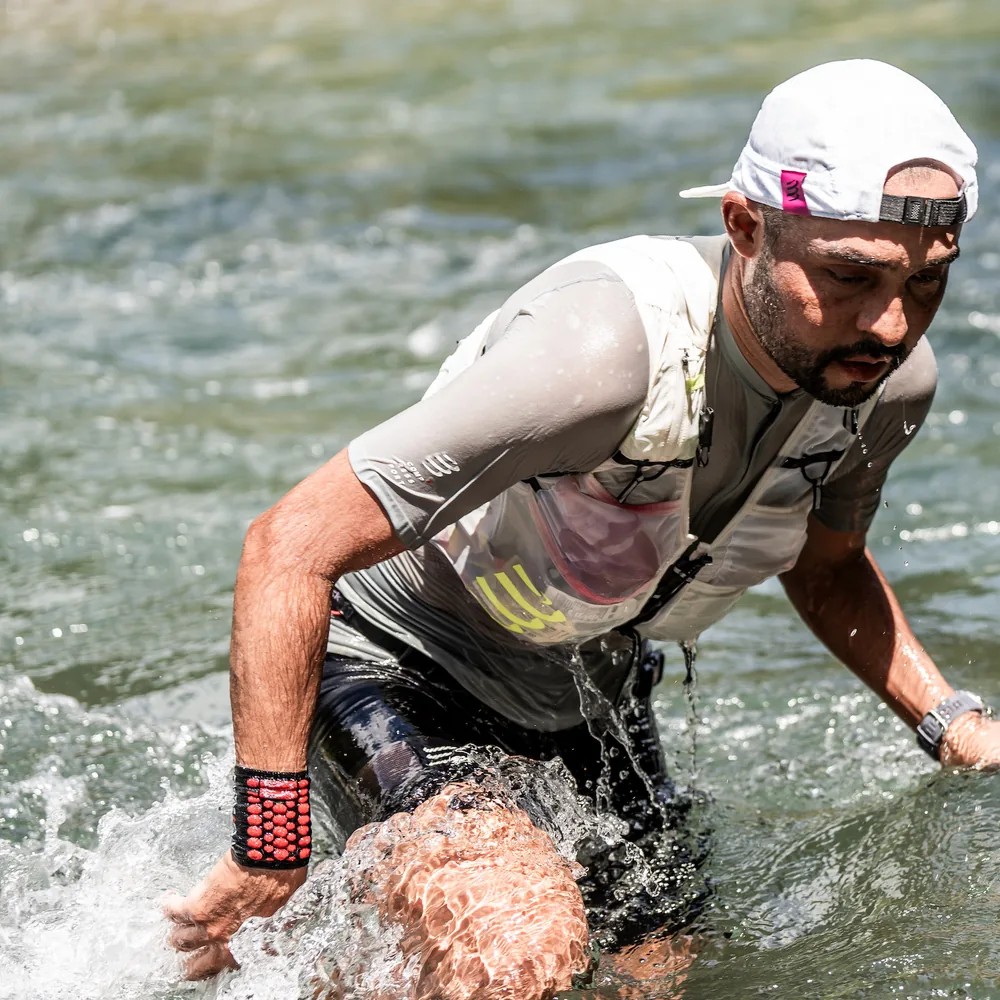
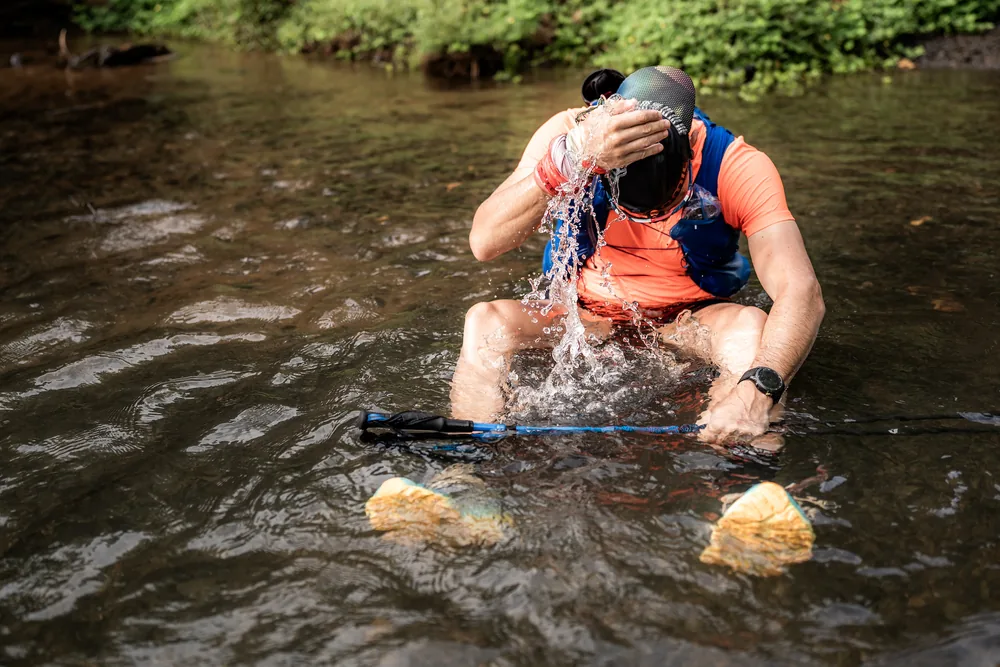
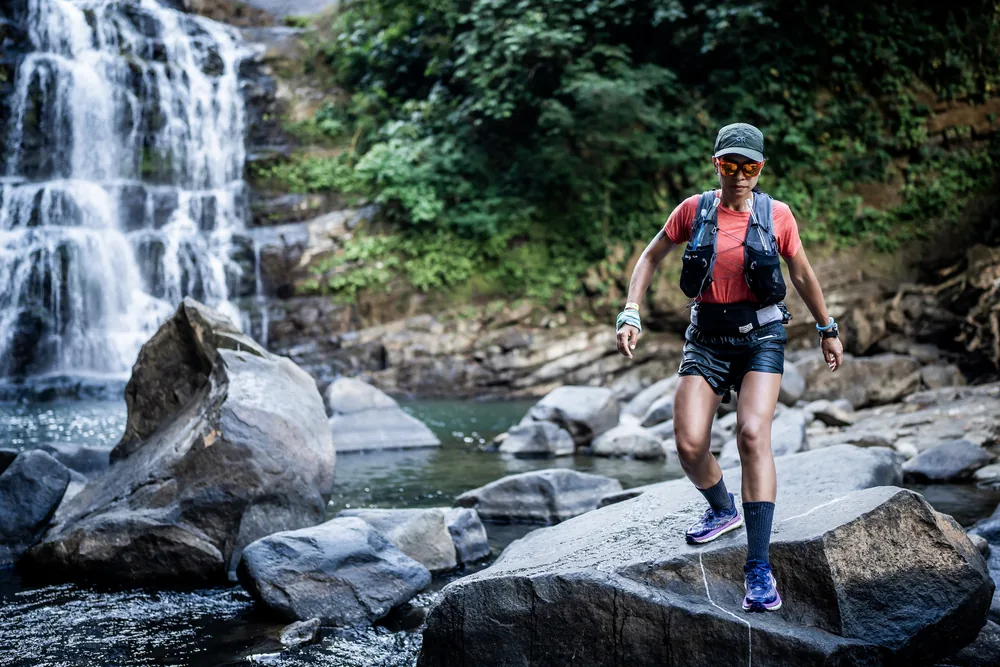
The Savegre is crossed the way the mountain families cross it — a hanging bridge and a hand-pulled andarivel in a single day, a bridge a hundred and twenty-seven metres long the day after, cold clean water the whole week.The Savegre is crossed the way the mountain families cross it — a hanging bridge and a hand-pulled andarivel in a single day, a bridge 417 feet long the day after, cold clean water the whole week.
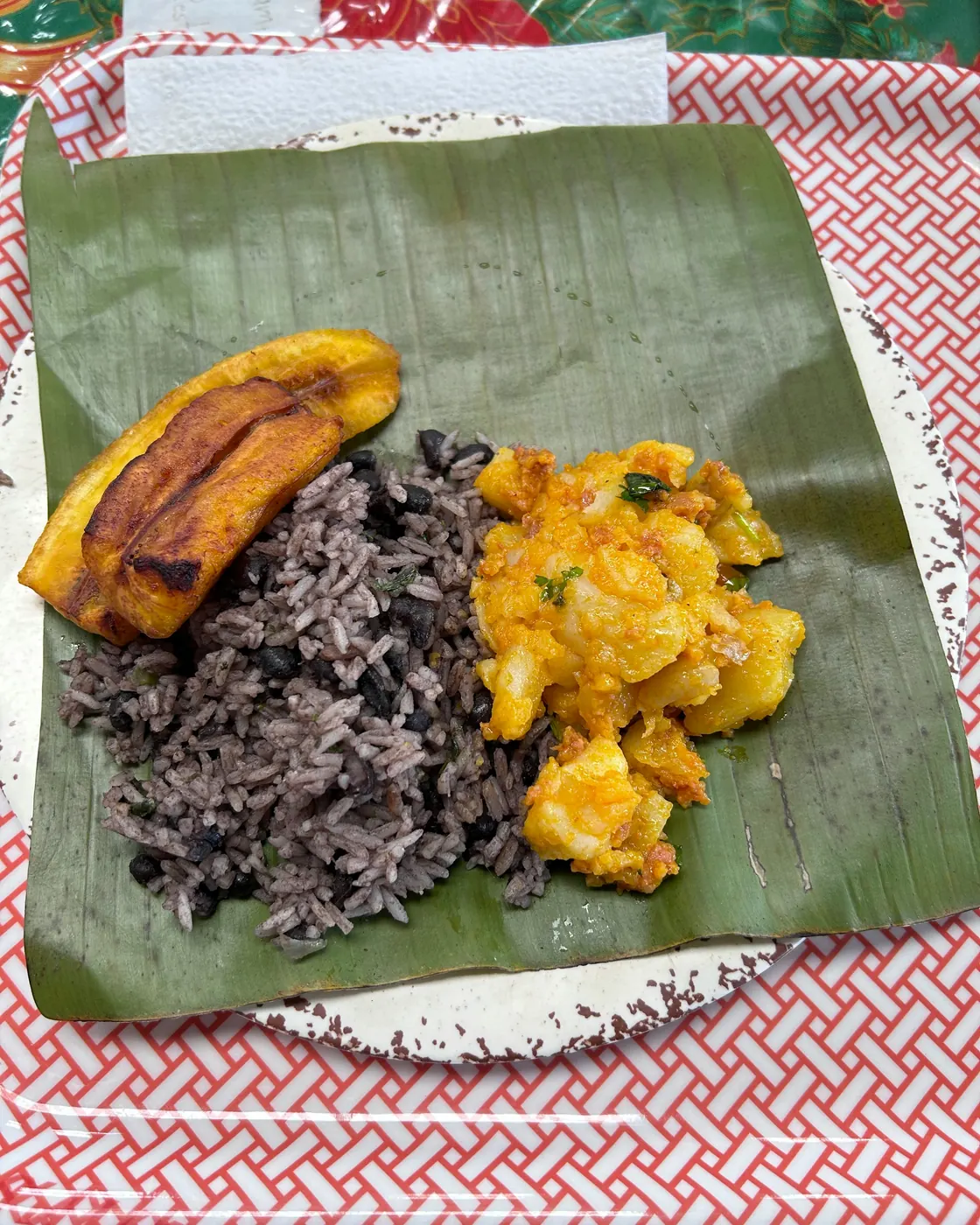
Armonía Ambiental, La Chaqueta, Los Campesinos — family and community lodges where dinner comes from the garden and the trapiche, and the hosts sit down with you.
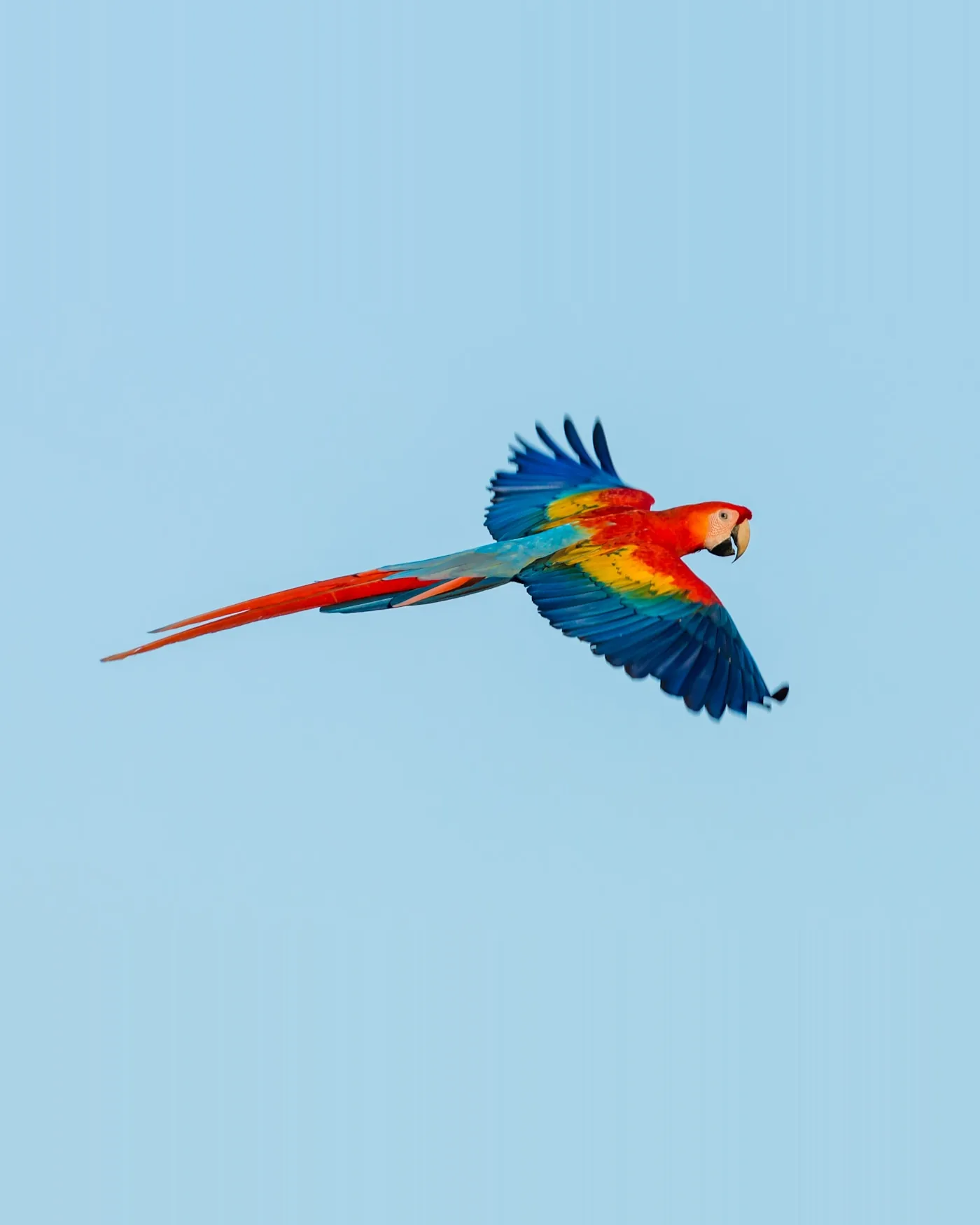
Scarlet macaws work the beach almonds where the Savegre and the Naranjo meet the Pacific — the loudest possible welcome to the coast.
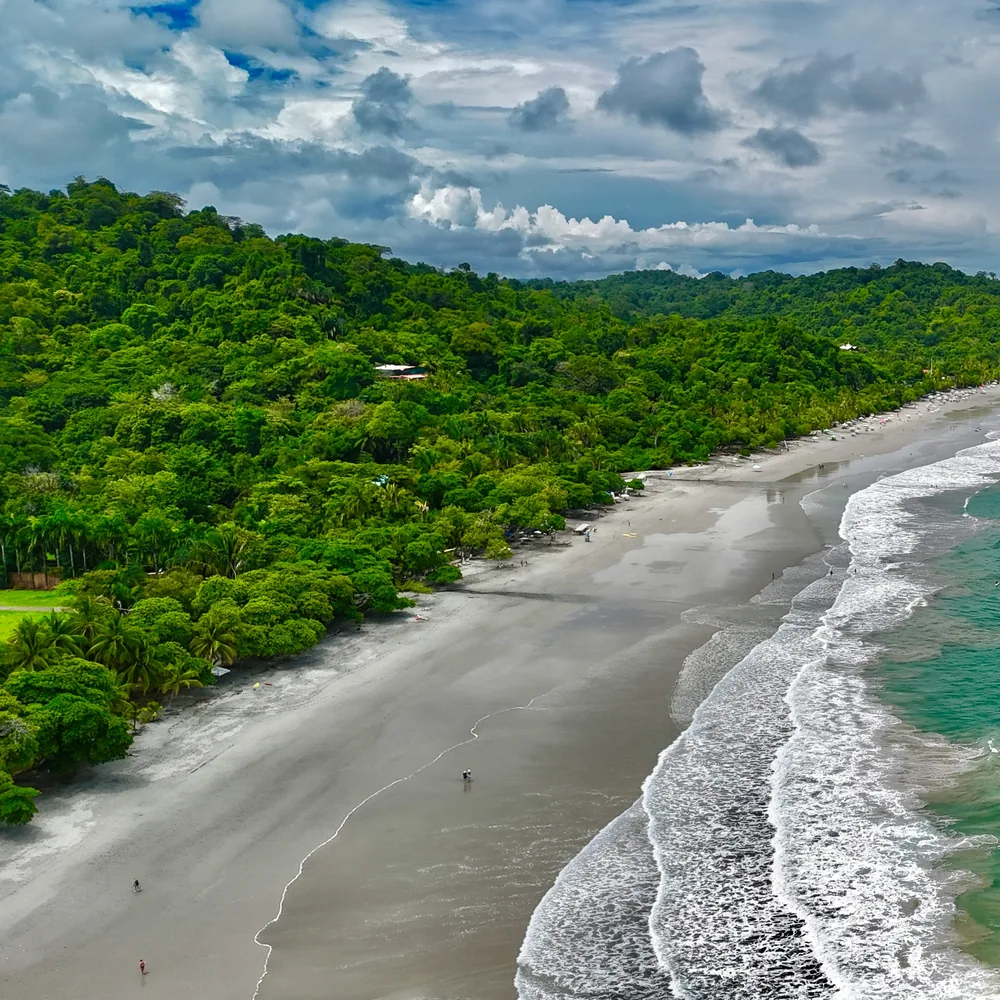
After six nights of mountain lodges, the Pacific from the cliff-top pools at Parador — and, if you want it, sloths and three monkey species in the national park next morning.
The route in outline. Each edition tells it day by day — with its dates, and what that season adds to every stage.
Read it day by day: Dry-season edition →Rainy-season edition →
Chosen for the way the morning light falls across the bedroom — not for their star count.
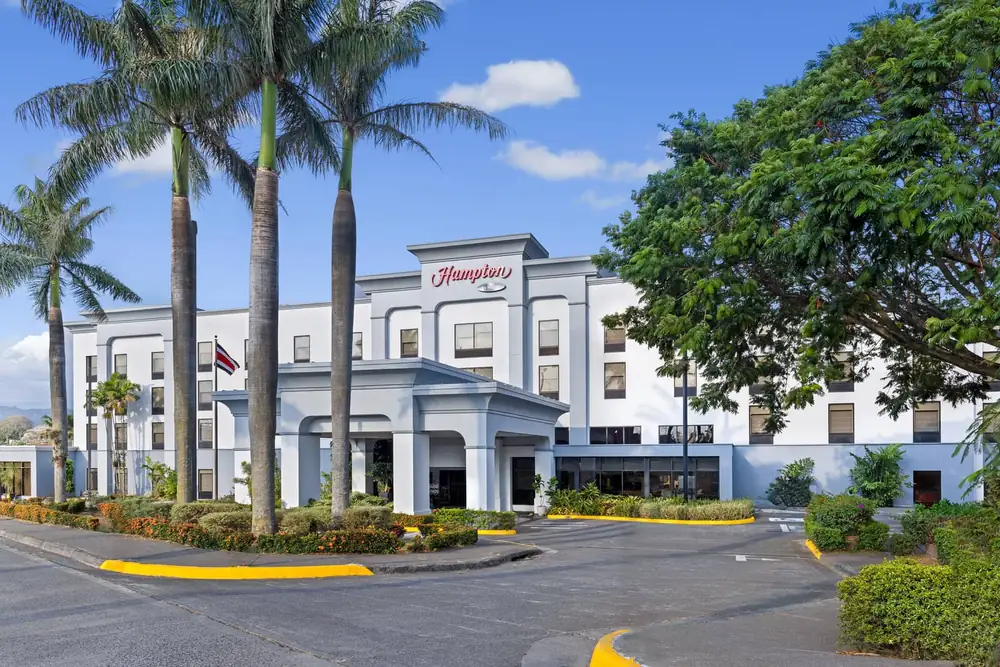
Your comfortable base for the first and last nights. Strategic, quiet, and minutes from the airport.
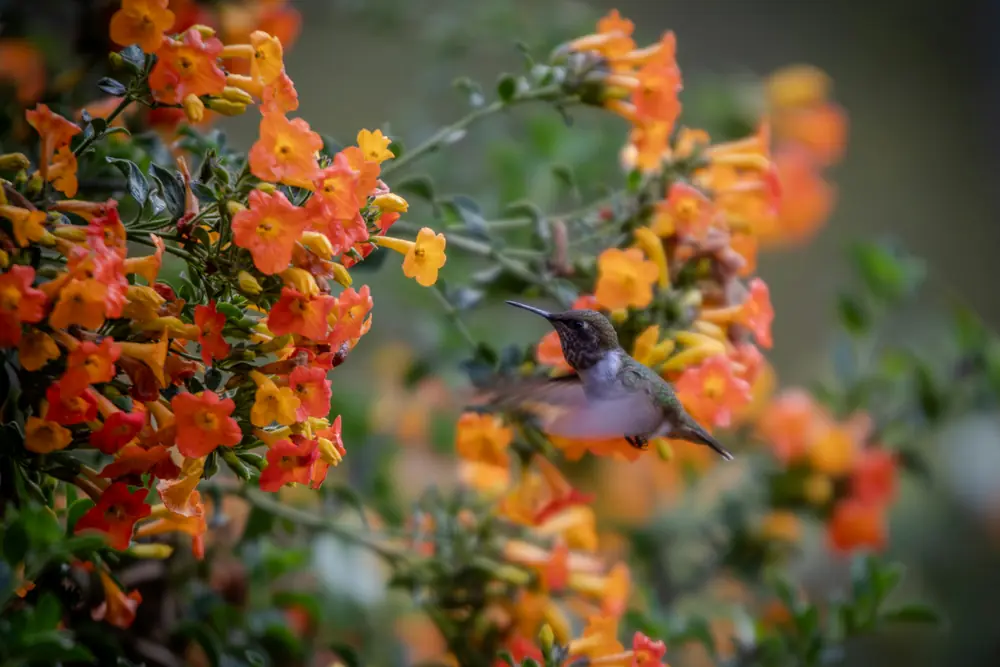
A family-run cloud-forest hideaway in the Dota Valley — trout and apples from the farm, quetzals in the trees the lodge is named after.
A family conservation project turned mountain lodge — simple rooms, some sharing a bath, food straight from the organic garden, and the Mora family, who have protected this valley for decades.
A mountain family's home in the first clearing below the treeline — a few beds under a tin roof, a wood-fired kitchen, and the loudest silence on the route.
The Granados family's refuge on the bank of the Savegre — a simple house, unpolished on purpose. The river runs a few metres from your bed.The Granados family's refuge on the bank of the Savegre — a simple house, unpolished on purpose. The river runs a few feet from your bed.
Community-owned cabins — clean, simple, hot showers, porches over the river — above waterfalls and a 127-metre hanging bridge. The village that stayed, and the forest it saved.Community-owned cabins — clean, simple, hot showers, porches over the river — above waterfalls and a 417-foot hanging bridge. The village that stayed, and the forest it saved.
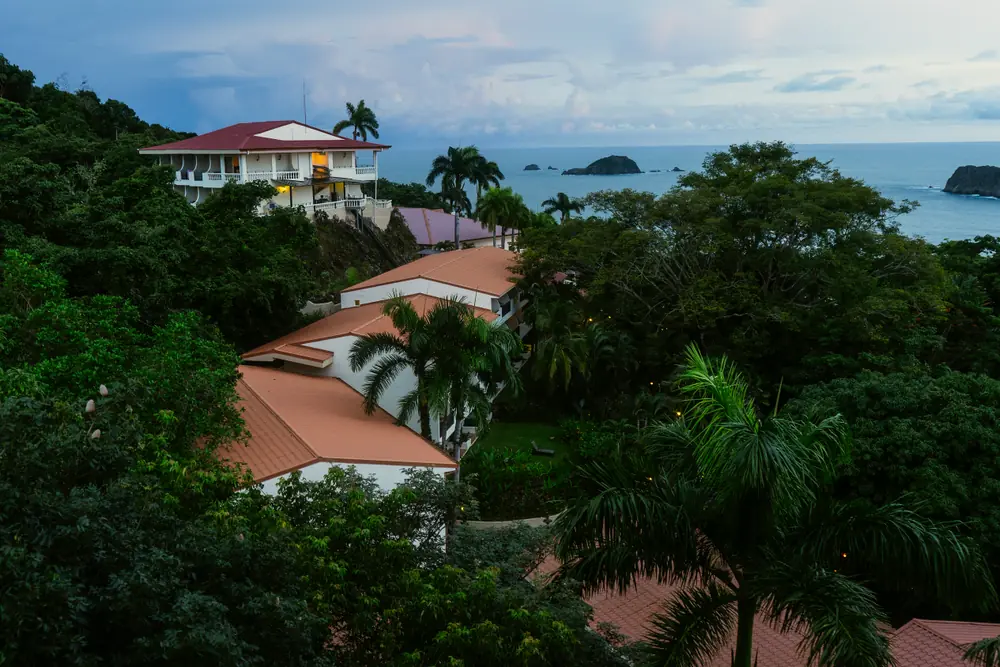
A hilltop boutique resort overlooking the Pacific, ten minutes from the national park. The celebration night.
A 30% deposit reserves your place. Final balance due 60 days before departure. We reply to every enquiry personally within 24 hours.
Reserves the 19 – 27 June 2027 departure, rainy season. Other dates are on the edition pages — two editions.
Booking is handled through our trusted partner WeTravel. Your information stays private; we never share contact details with third parties.
The questions we hear most often, with honest answers.
Prefer this journey privately — your group, your dates, your pace? Explore bespoke Costa Rica itineraries, designed from a blank page.
The next expedition departs 19 – 27 June 2027, in the rainy season. 6–8 hikers. Founder-led, photographer-supported.