
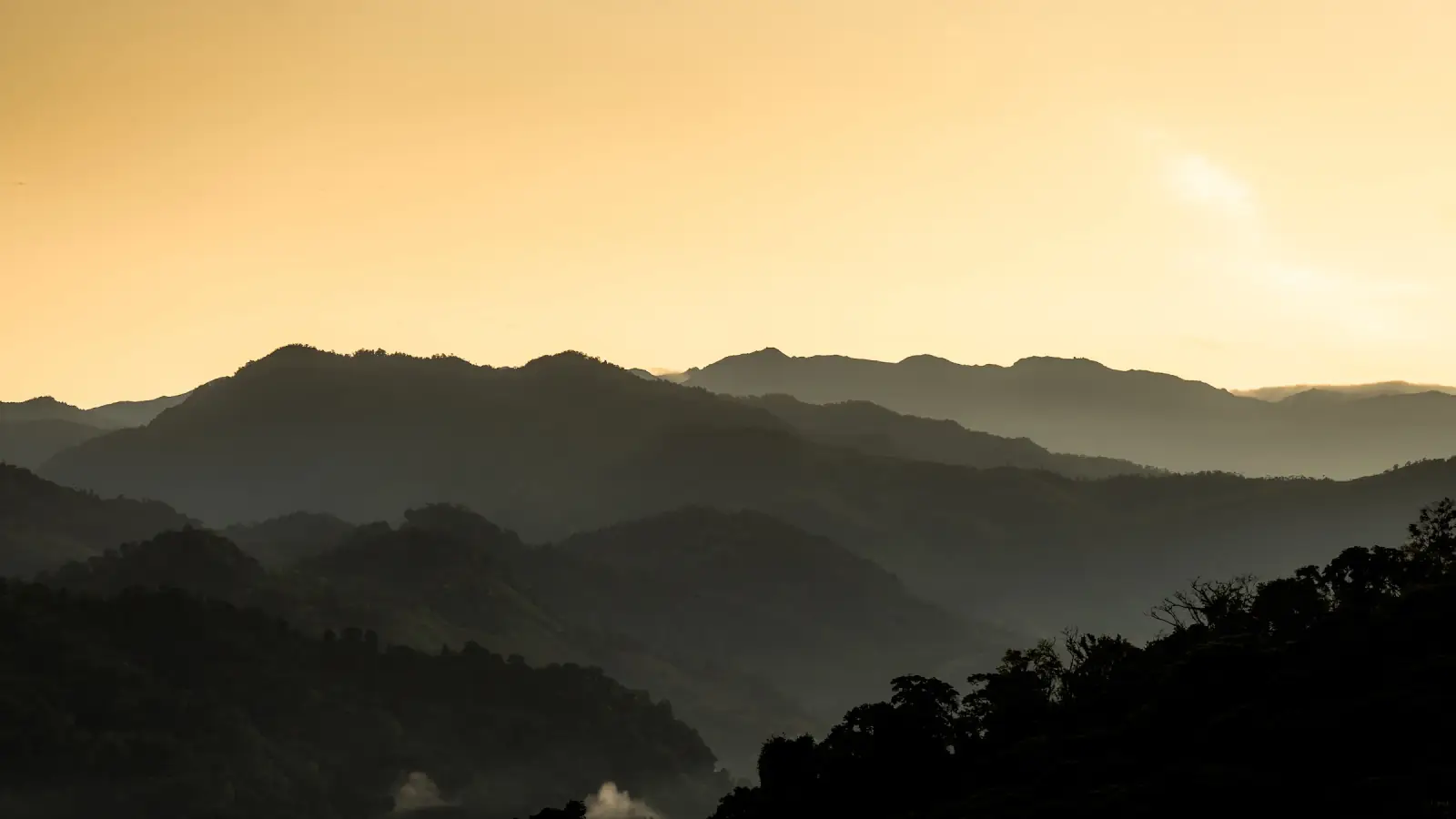
 Dry season
 The Trail Running Expedition · Dry Season
The Talamanca with the rain switched off: cold, clear mornings on the páramo, hard sun by nine, and views that reach both oceans from nine summits.
- 5 – 13 December 2026 Now booking
Nine days. Six athletes. Nine summits above three thousand metres, a self-supported queen stage descending into San Isidro de Dota, and a farewell dinner that no-one wants to end.Nine days. Six athletes. Nine summits above 9,800 feet, a self-supported queen stage descending into San Isidro de Dota, and a farewell dinner that no-one wants to end.
It begins above the tree line. The Cordillera de Talamanca is the country's continental spine — an ancient, uplifted ridge of black and green that separates the Pacific watershed from the Caribbean. The route opens on the spine itself, in the páramo above three thousand metres, then drops to the Pacific flank for the rest of the expedition — down through the Dota Valley, out to the central Pacific coast, and south into the Osa Peninsula. Nine summits on the first running day. A self-supported descent into a valley where families you have never met will hand you agua dulce and empanadas through their kitchen doors. Esteban has been refining this sequence for more than a decade.It begins above the tree line. The Cordillera de Talamanca is the country's continental spine — an ancient, uplifted ridge of black and green that separates the Pacific watershed from the Caribbean. The route opens on the spine itself, in the páramo above 9,800 feet, then drops to the Pacific flank for the rest of the expedition — down through the Dota Valley, out to the central Pacific coast, and south into the Osa Peninsula. Nine summits on the first running day. A self-supported descent into a valley where families you have never met will hand you agua dulce and empanadas through their kitchen doors. Esteban has been refining this sequence for more than a decade.
Nothing about it is left to chance. Six to eight athletes, two professional guides, one dedicated photographer, and a logistical commitment as quiet as it is uncompromising. Each night you sleep in a lodge chosen for the way the morning light falls across the bedroom, not for its star count. Each day's distance is calibrated to the previous day's recovery. Each meal has a name and an origin and someone who made it.
You finish the way every long expedition should finish — at a long table, with people who started as strangers and end as the only ones who understand what just happened.
The dry season or the rainy season — same route, same lodges, same price. Choose the sky you want. What the seasons mean →
Dry season The Talamanca with the rain switched off: cold, clear mornings on the páramo, hard sun by nine, and views that reach both oceans from nine summits.
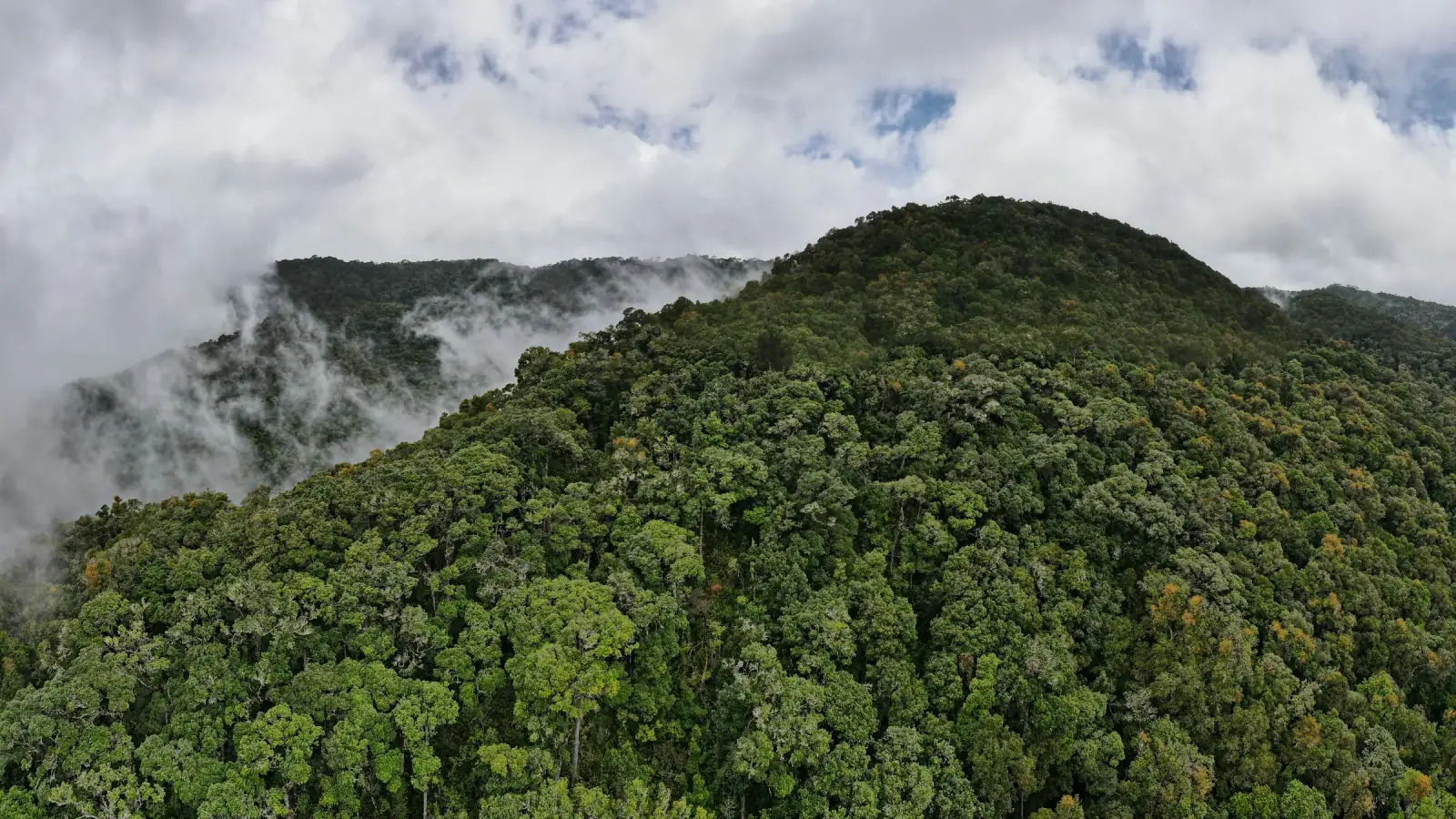 Rainy season
 The Talamanca at full volume: early starts on the ridge, rain by mid-afternoon, and the Osa in whale season.
The kind of details no itinerary line-item captures, but every athlete remembers the morning after the flight home.
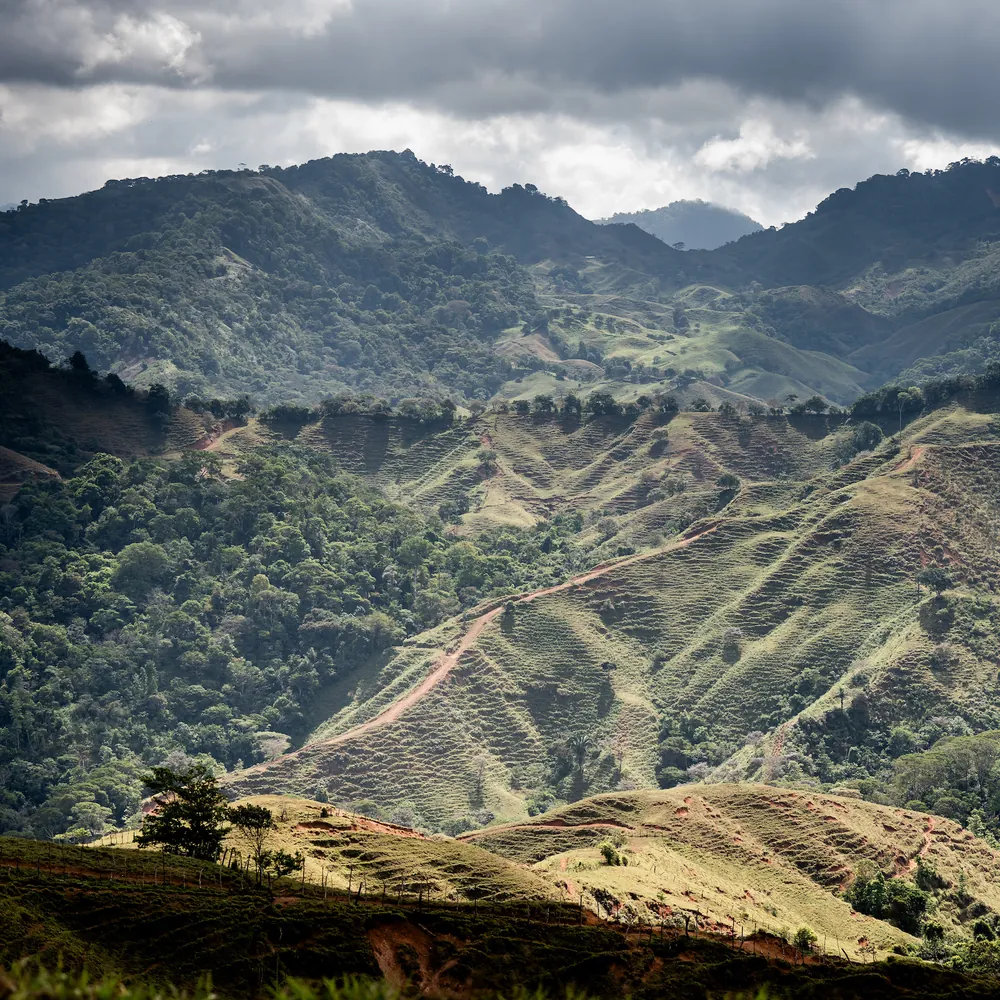
Seventeen kilometres along the spine of the Macizo del Cerro de la Muerte. Nine named summits, all above three thousand metres — including Cerro Buenavista, the namesake peak of the massif.11 miles along the spine of the Macizo del Cerro de la Muerte. Nine named summits, all above 9,800 feet — including Cerro Buenavista, the namesake peak of the massif.
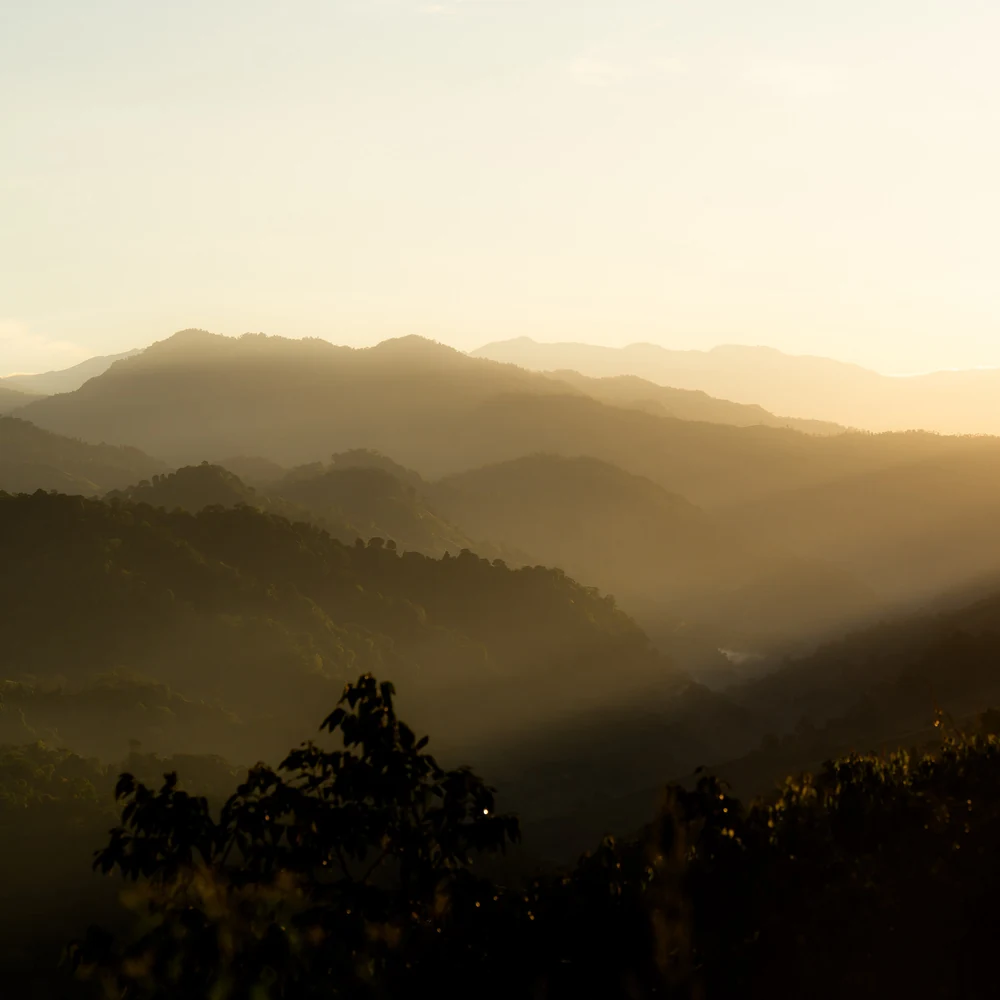
Birdsong and cool mist in the Dota Valley — the cloud forest waking before coffee.
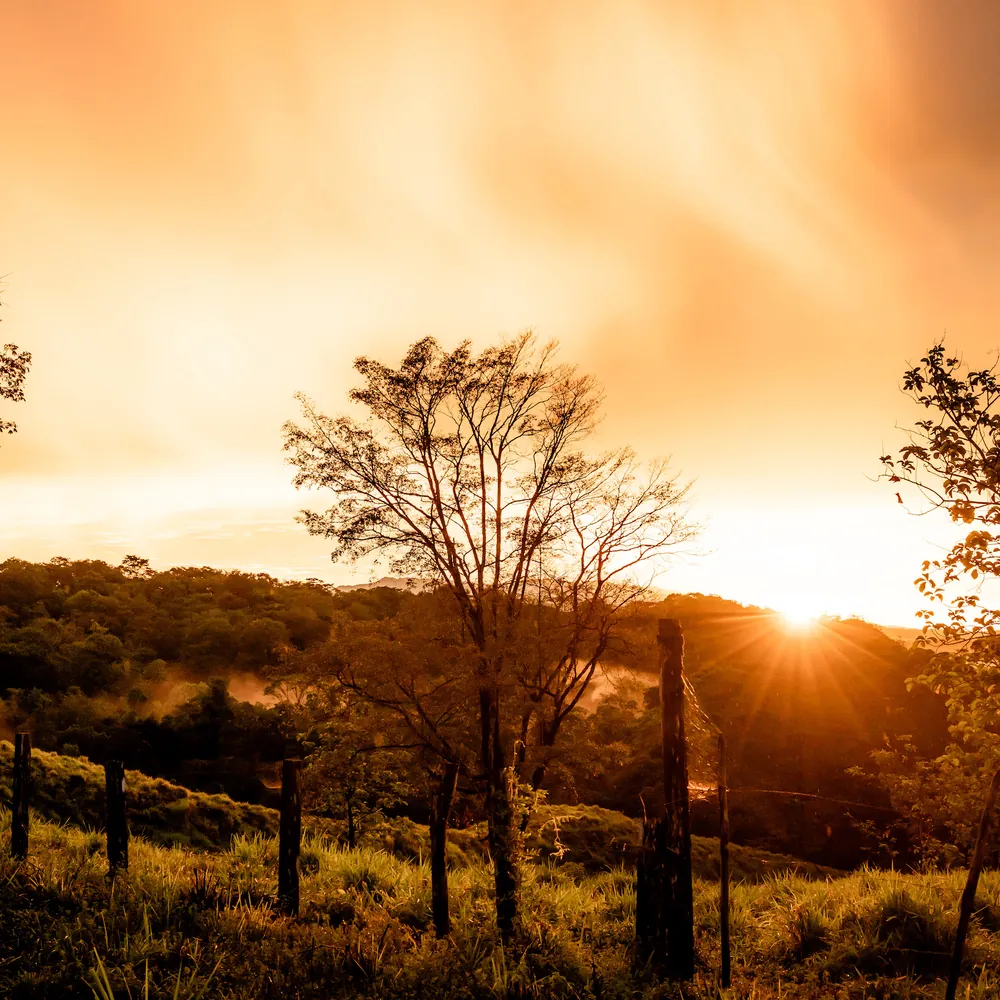
Twenty-five kilometres from Providencia to San Isidro, descending more than two thousand metres, fed by mountain families at their kitchen doors.16 miles from Providencia to San Isidro, descending more than 6,600 feet, fed by mountain families at their kitchen doors.
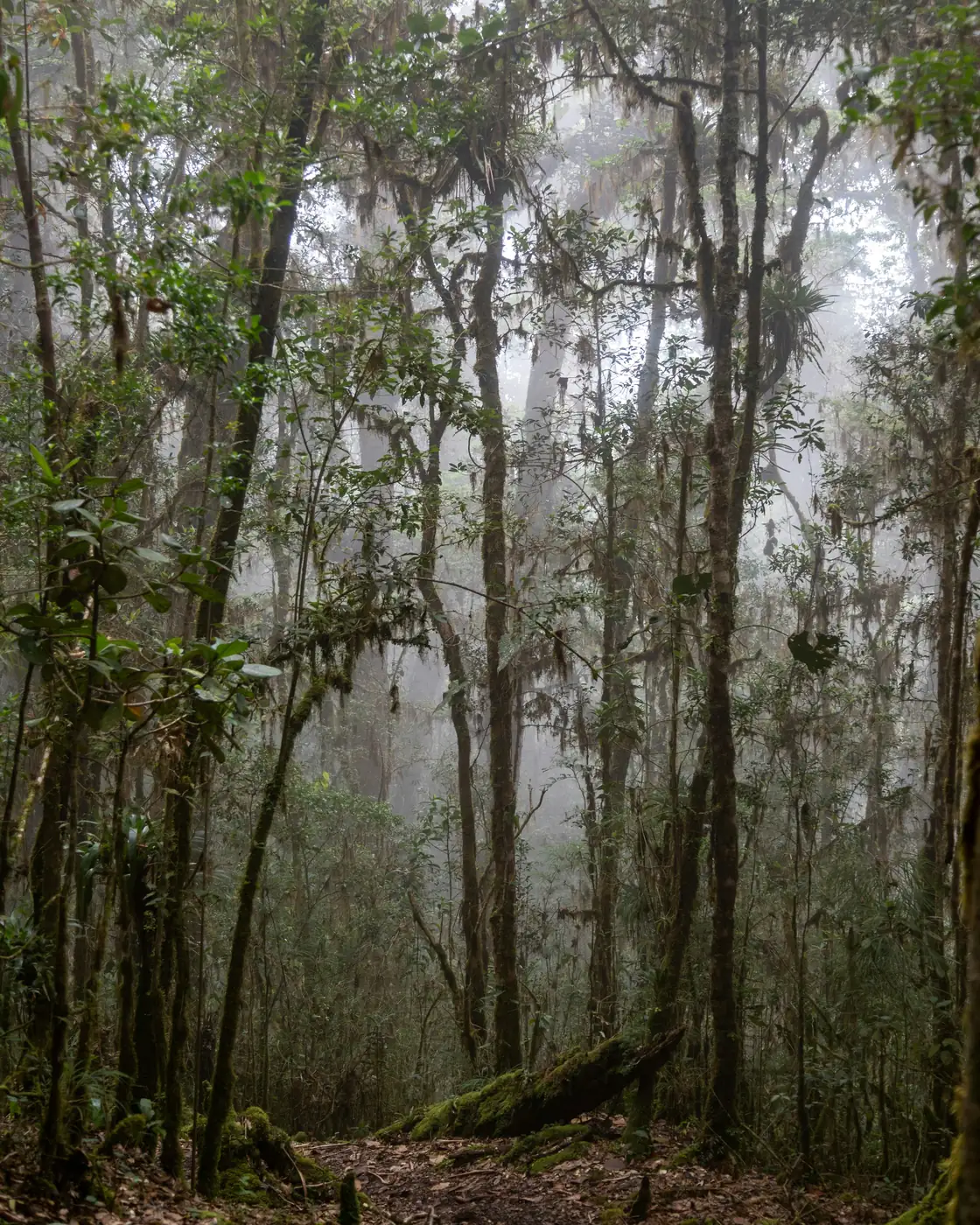
Moss-draped robles and aguacatillos in the Río Savegre valley, the trees the lodge is named after, where the resplendent quetzal comes to feed.
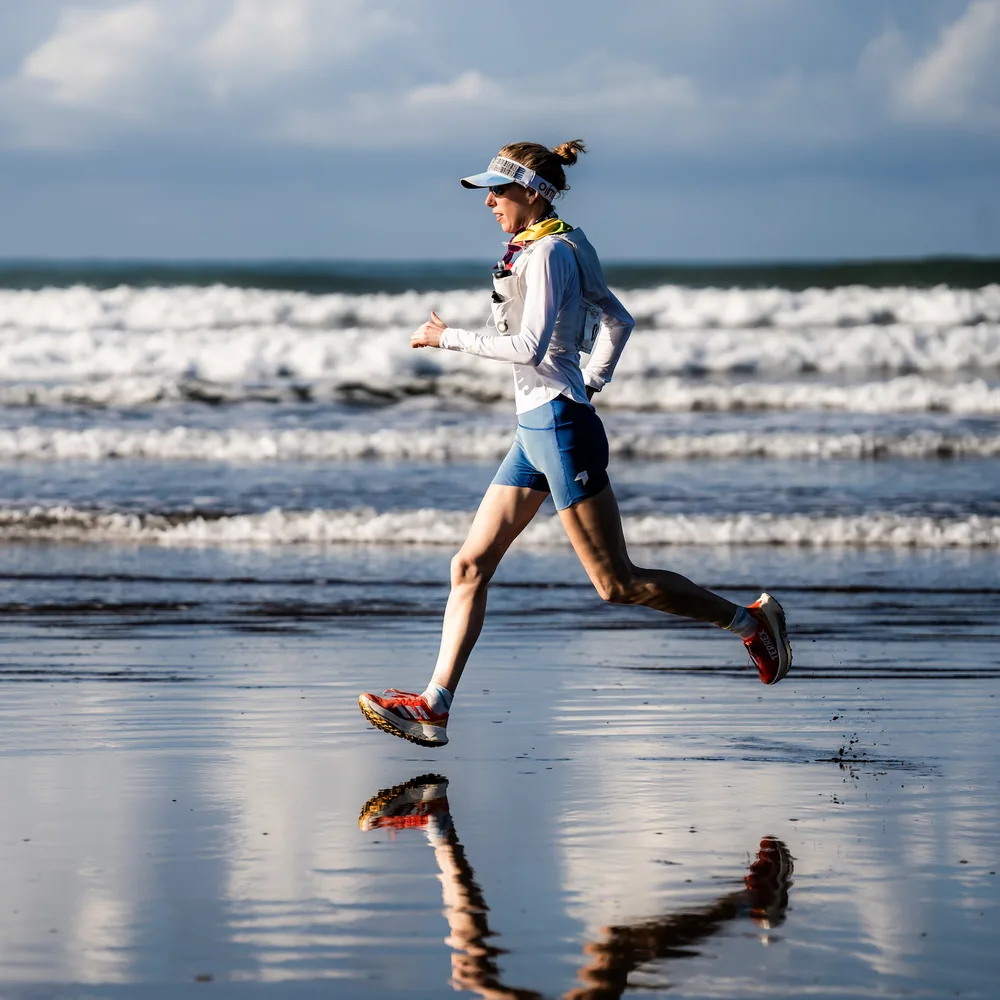
Quepos to Manuel Antonio on the cliff-top Reto MAE — seven Pacific beaches in sequence, rainforest in between, the canopy loud overhead.
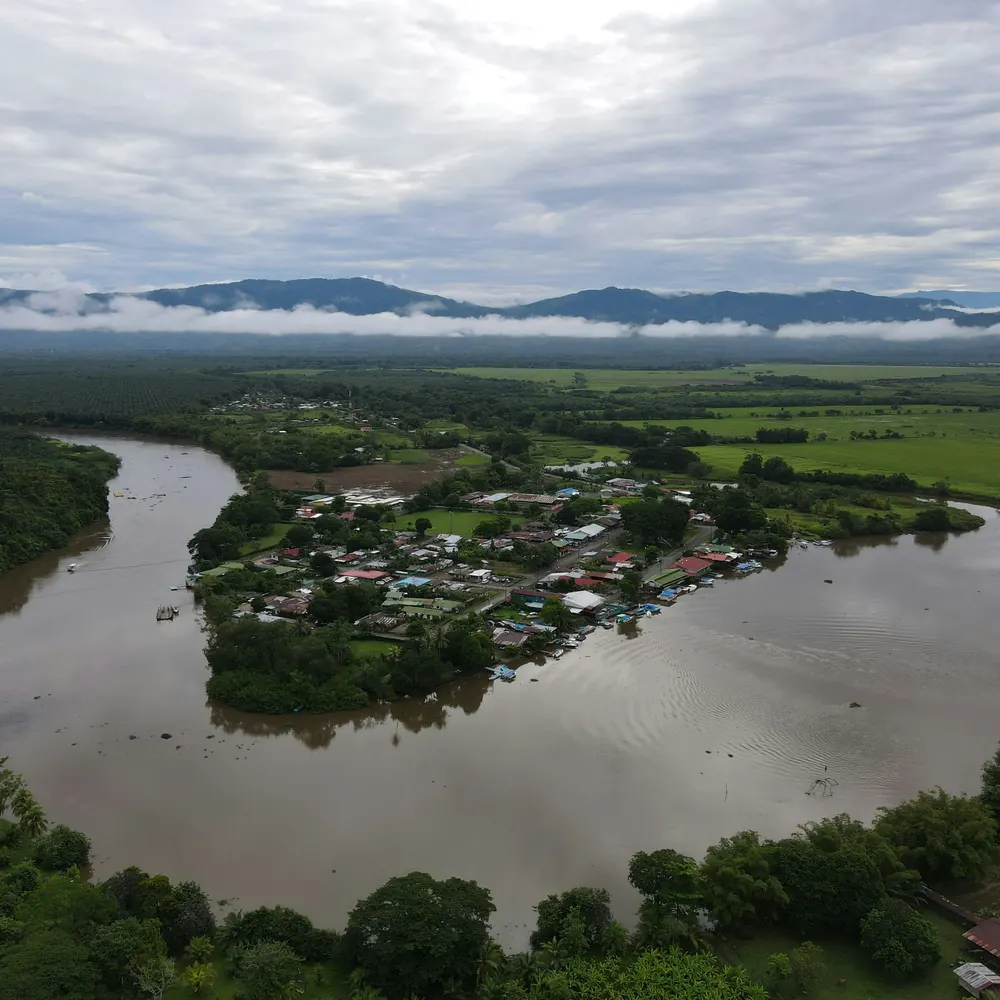
Through the Sierpe-Térraba mangroves by boat, then 16.6 km along the Pacific coastal trail to a lodge on the edge of Corcovado — scarlet macaws in the beach almonds, the canopy louder than your feet.Through the Sierpe-Térraba mangroves by boat, then 10.3 mi along the Pacific coastal trail to a lodge on the edge of Corcovado — scarlet macaws in the beach almonds, the canopy louder than your feet.
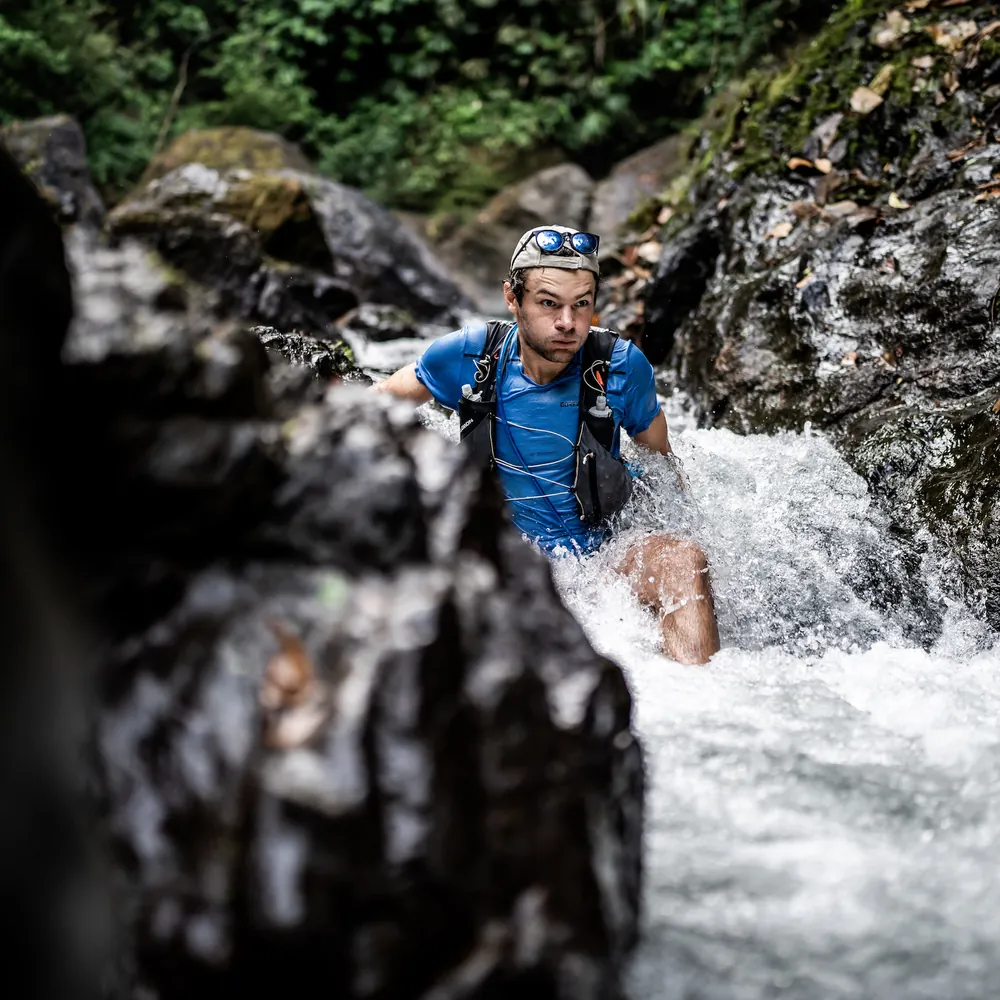
One of the most biodiverse corners of the planet. Fifteen kilometres of singletrack, river crossings, monkeys.One of the most biodiverse corners of the planet. 9.3 miles of singletrack, river crossings, monkeys.
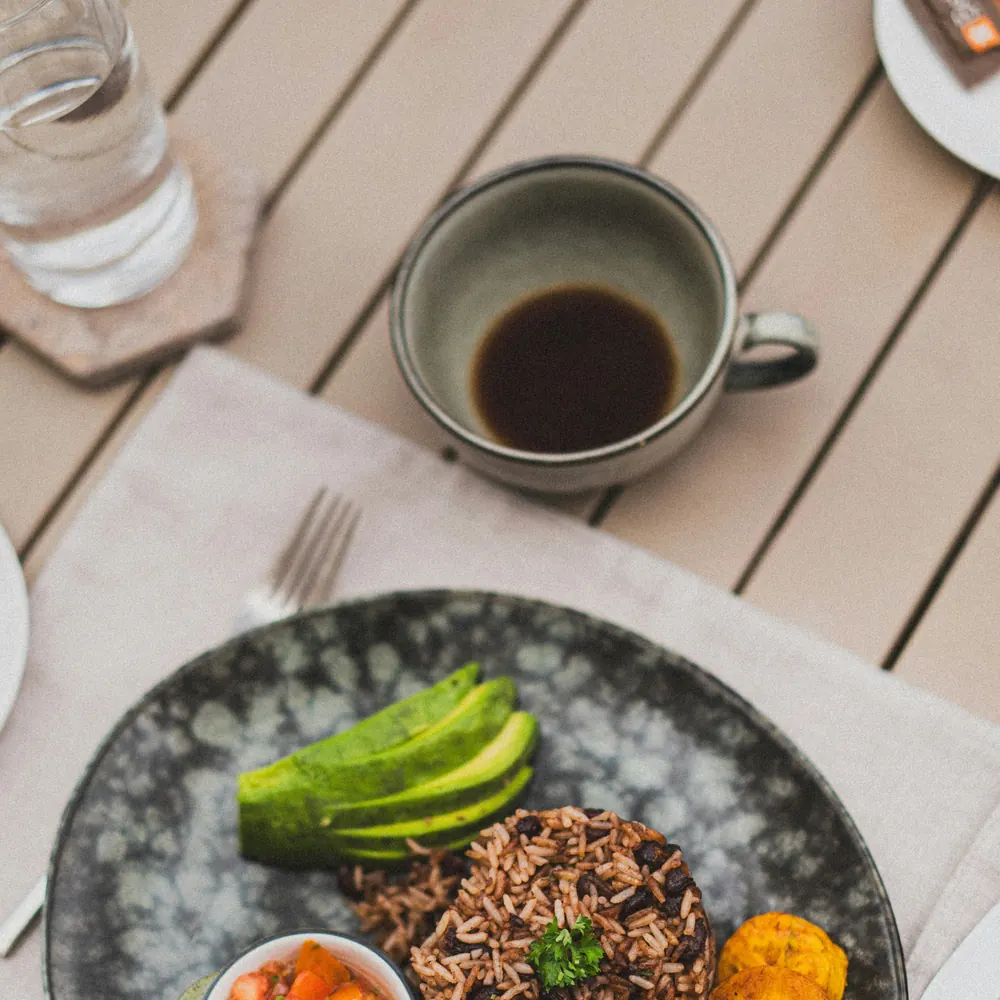
The farewell dinner. By now, no-one is in a hurry to fly home.
The route in outline. Each edition tells it day by day — with its dates, and what that season adds to every stage.
Each route is drawn from our own field reconnaissance. Select a day to read its profile, or follow the line of the journey end to end.
Read it day by day: Dry-season edition →Rainy-season edition →
Chosen for the way the morning light falls across the bedroom — not for their star count.
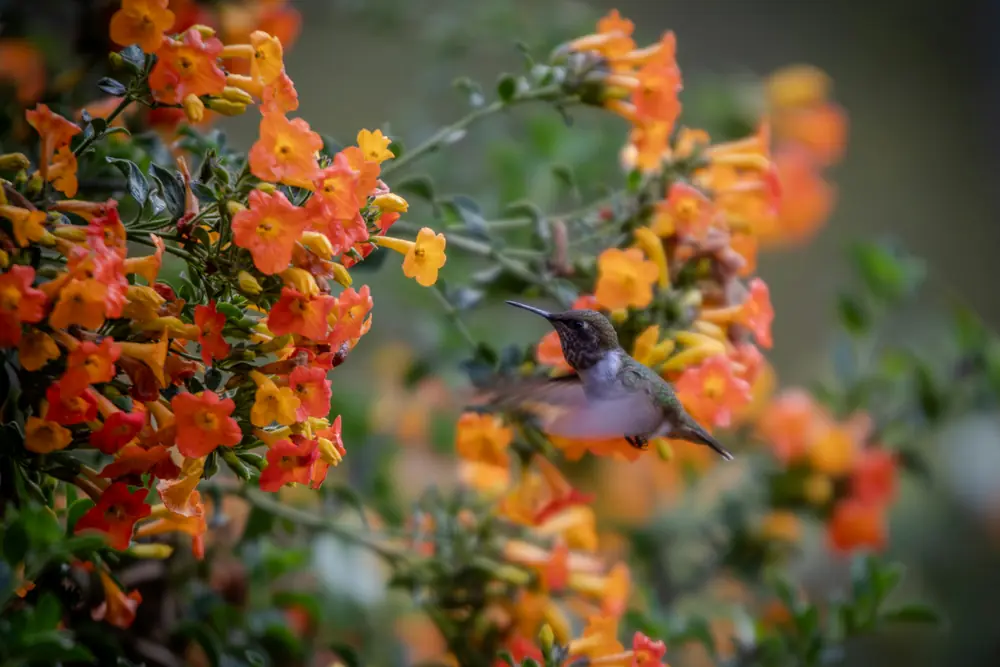
A cloud-forest hideaway in the Dota Valley. Two nights here, between mountain stages.
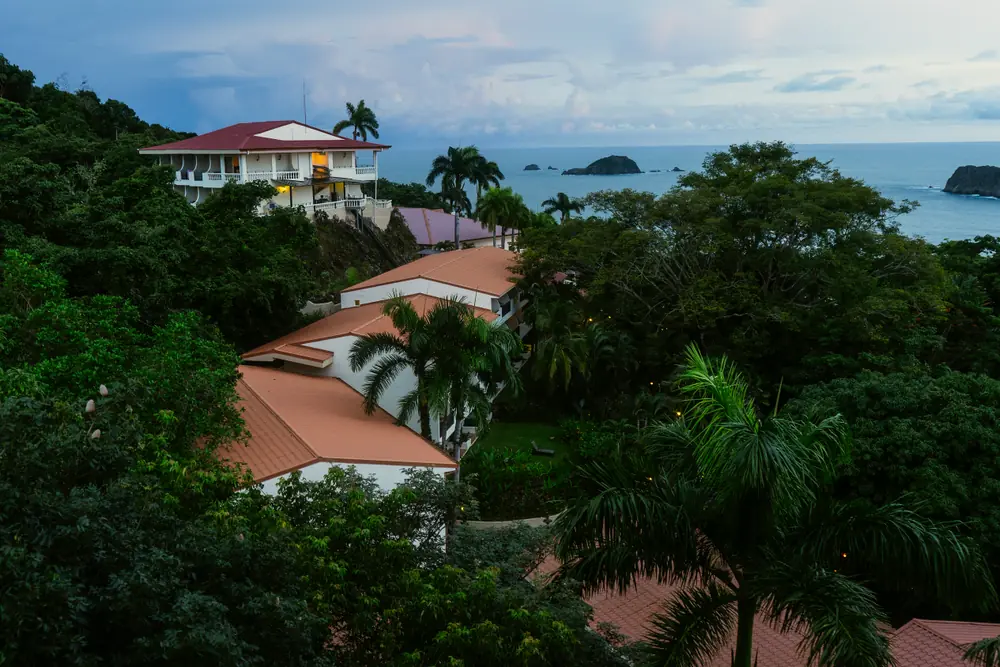
A hilltop boutique resort overlooking the Pacific, ten minutes from the national park.
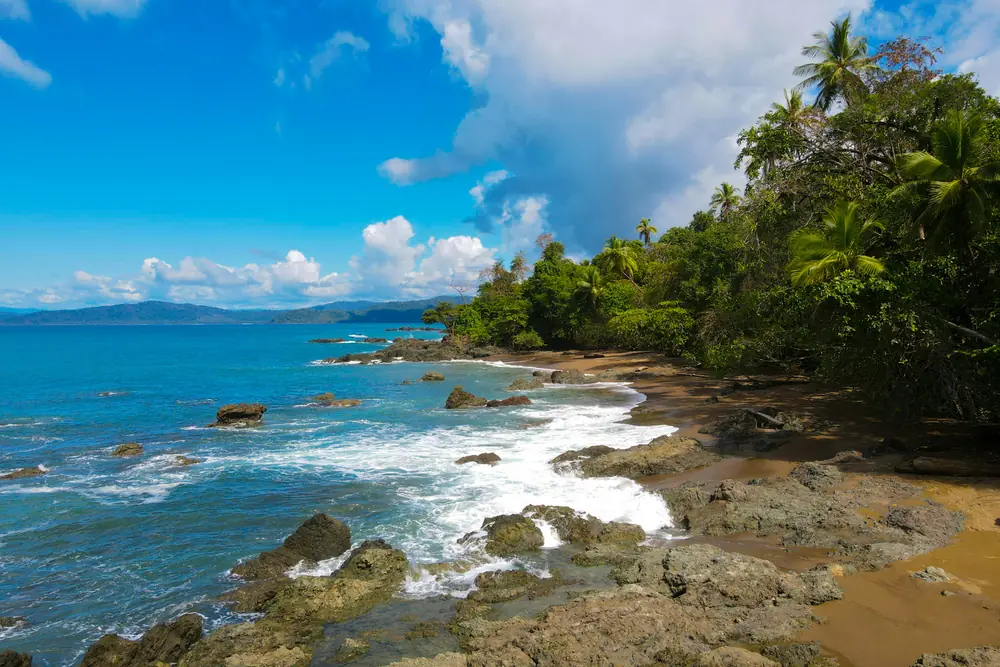
Remote, reached by boat. Where the rainforest meets the sea. Two nights.
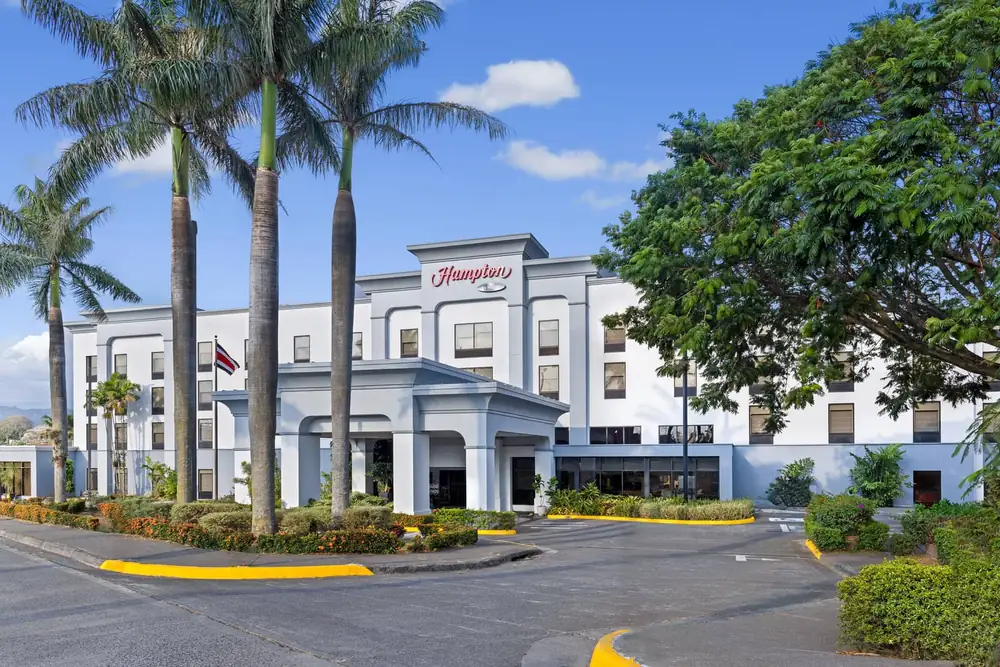
Your comfortable base for the first and last nights. Strategic, quiet, and minutes from the airport.
A 30% deposit reserves your place. Final balance due 60 days before departure. We reply to every enquiry personally within 24 hours.
Reserves the 5 – 13 December 2026 departure, dry season. Other dates are on the edition pages — two editions.
Booking is handled through our trusted partner WeTravel. Your information stays private; we never share contact details with third parties.
The questions we hear most often, with honest answers.
Prefer this journey privately — your group, your dates, your pace? Explore bespoke Costa Rica itineraries, designed from a blank page.
The next expedition departs 5 – 13 December 2026, in the dry season. 6–8 athletes. Founder-led, photographer-supported.